

Full synthetic that meets your car’s OEM spec and correct viscosity is best.
Drivers ask which motor oil is the best because the answer feels complex. I test oils, read lab data, and track real cars. In this guide, I show how to pick the right oil with clear steps.
You will see why the right viscosity, the proper spec, and your use case matter more than the brand. Read on to learn which motor oil is the best for your engine, in your climate, for your style.
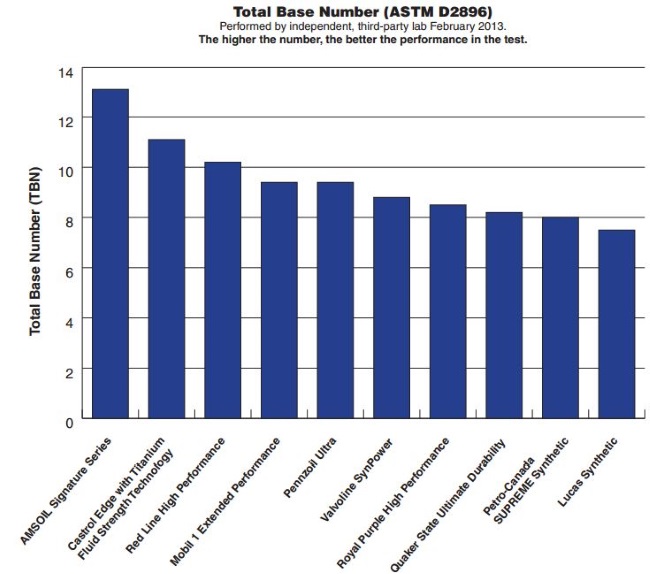
Source: bestsynthetic.com
What “best” really means for your engine
Many people ask which motor oil is the best. The honest answer is the best oil is the one that matches your car’s needs and your driving. It must meet the maker’s spec. It must be the right viscosity. It should handle heat, cold starts, and long miles.
Think of oil as your engine’s blood. The right oil reaches tight parts fast. It keeps parts clean. It resists heat and thick sludge. In lab tests, top oils show low wear and low burn-off. In the shop, I see fewer deposits and smoother cold starts with the right match.
When we define “best,” we check three things:
- Does it meet or exceed your OEM spec
- Is the viscosity correct for your climate and engine
- Does it fit how you drive and how long you run
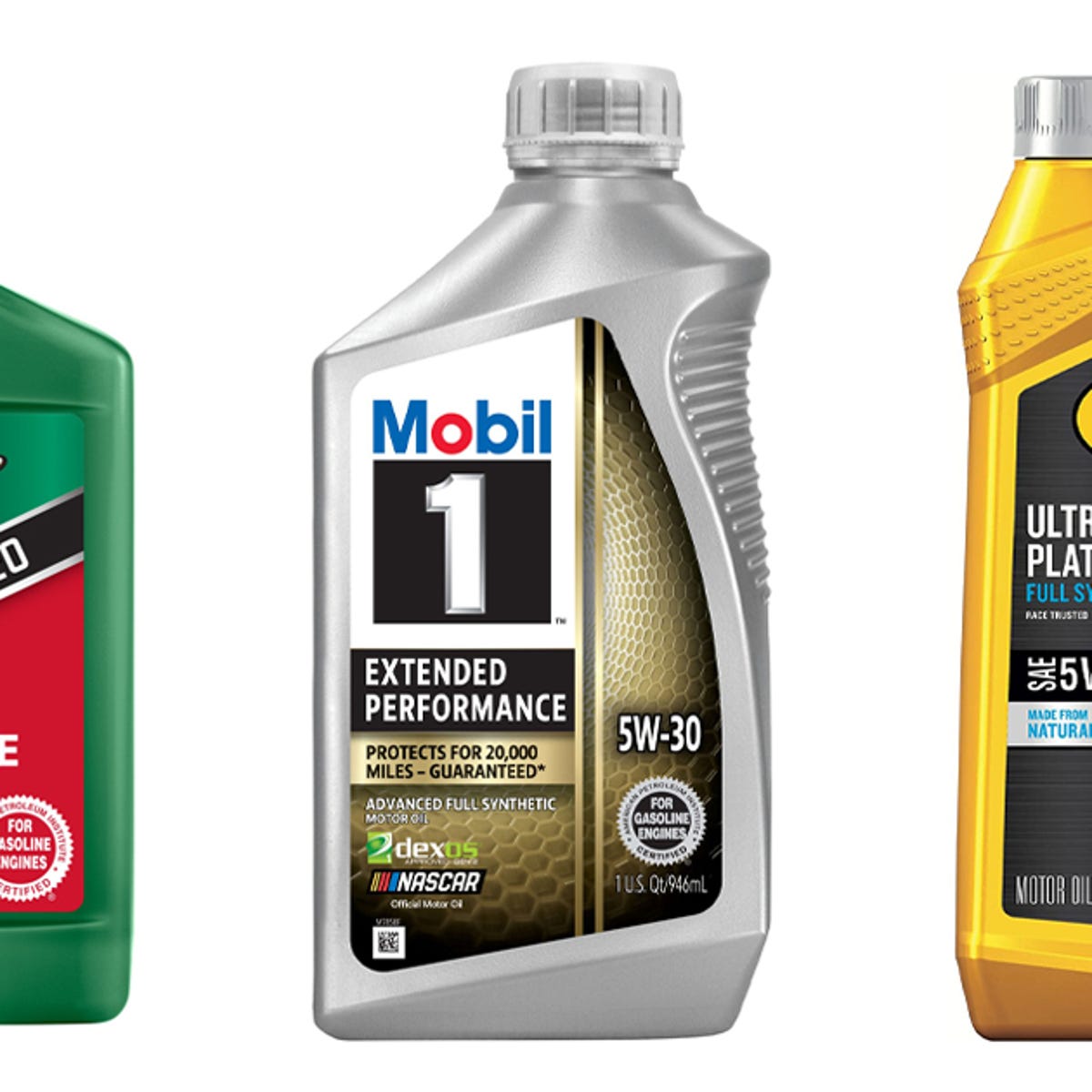
Source: cnet.com
Synthetic vs. conventional vs. blend
You might ask which motor oil is the best for value. Full synthetic wins most of the time. It flows better when cold. It resists heat and breakdown. It keeps engines clean. In standard tests, synthetics beat conventional oils on wear, oxidation, and volatility.
Here is a simple view:
- Conventional oil: Works for old engines and short intervals. Lower cost. Shorter life.
- Synthetic blend: A step up for light duty use. Better than conventional. Not as strong as full synthetic.
- Full synthetic: Best for cold starts, turbo heat, and long drains. Often worth the price.
Base oil groups matter too. Many full synthetics use Group III or Group IV stocks. These have better stability and lower volatility. That means less burn-off and cleaner pistons. In my experience, daily drivers and turbo cars run smoother and cleaner on full synthetic.

Source: youtube.com
Viscosity explained: 0W-20, 5W-30, 0W-40 and more
A common way to ask which motor oil is the best is to point at viscosity. Viscosity tells you how thick the oil is in cold and hot temps. The first number with W shows cold flow. The second number shows hot thickness.
Use these tips:
- Cold climates: Choose 0W or 5W to help cold starts.
- Hot climates or heavy loads: The second number can be higher, like 30 or 40.
- Follow the cap and manual first. Modern engines need tight ranges.
If you tow, idle a lot, or drive in mountains, you add heat. A higher hot number may help. If you do short trips in winter, a lower W helps flow. The right viscosity cuts wear at start-up and keeps oil pressure stable.
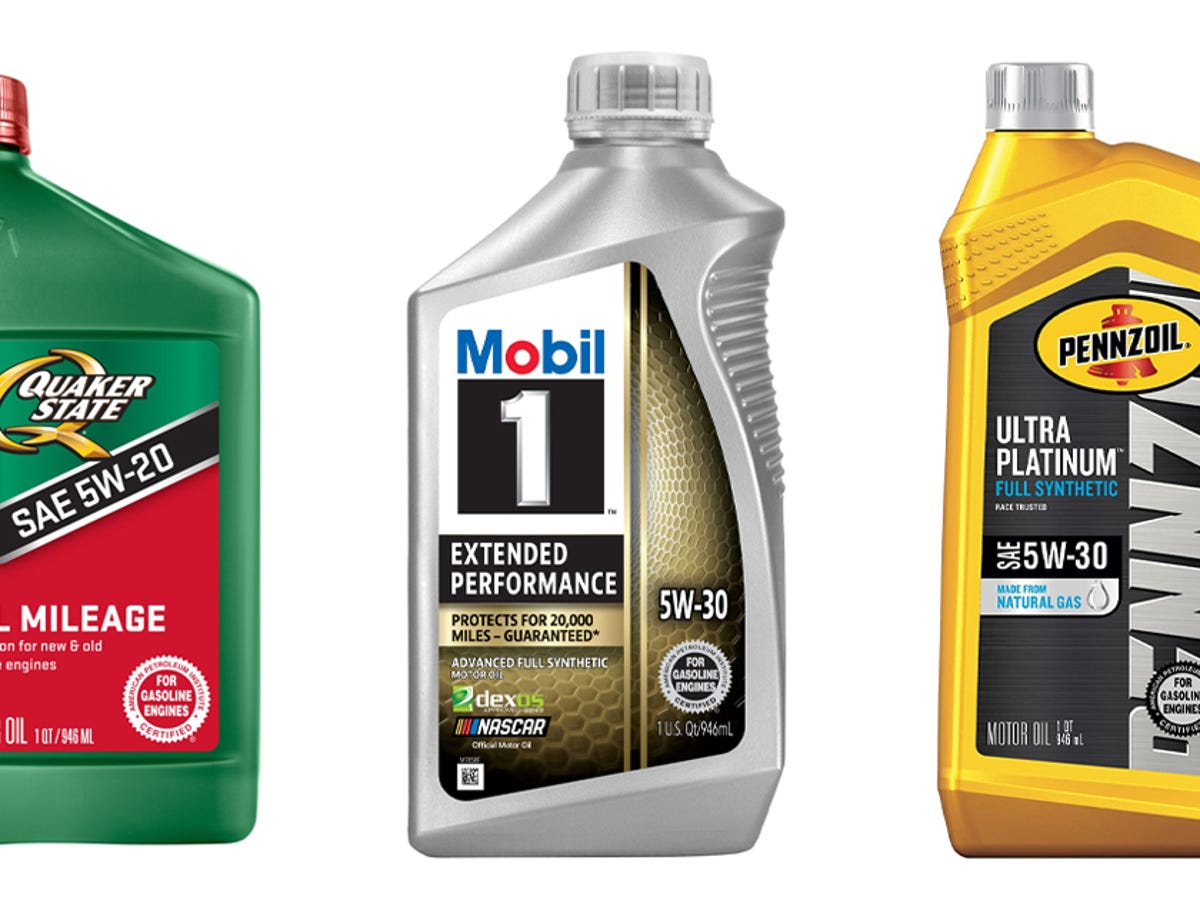
Source: cnet.com
Certifications and approvals you should trust
To decide which motor oil is the best, look for the right marks. These marks prove the oil passed tough tests.
Key labels to know:
- API SP and ILSAC GF-6: Protects against timing chain wear, LSPI, and deposits.
- Dexos approvals: For many GM cars. Strong on sludge and turbo needs.
- ACEA specs: Common on European oils. Match to your Euro car’s code.
- OEM approvals: BMW, Mercedes-Benz, VW, Porsche, and others have strict lists.
Do not skip these labels. A real approval means lab proof. It means your warranty stays safe. I have seen timing chain issues vanish when drivers switch to a proper API SP or Dexos-approved oil.

Source: simivalleychryslerdodgejeepram.com
Additives and what they actually do
People who ask which motor oil is the best also ask about additives. Additive packs are built into quality oils. You do not need extra bottles in most cases.
What matters inside the bottle:
- Detergents and dispersants: Keep parts clean and hold soot in tiny bits.
- Anti-wear agents like ZDDP: Form a film on metal to stop wear.
- Friction modifiers: Improve fuel economy and reduce heat.
- Antioxidants: Slow the oil’s aging.
- Pour point depressants: Help cold flow.
For turbo direct injection engines, LSPI control is key. Modern oils with the right spec cut LSPI risk. That helps protect pistons under high load. In my shop, turbo cars on proper GF-6 or Dexos oils show fewer knock events and cleaner intake parts.

Source: reddit.com
Best oil for common driving scenarios
Drivers often phrase the question as which motor oil is the best for their case. Here are clear picks you can use today.
Daily commuter in mixed weather:
- Full synthetic that meets API SP and your OEM spec.
- Use the manual’s viscosity, often 0W-20 or 5W-30.
Turbocharged or GDI engines:
- Full synthetic with API SP and LSPI control.
- Look for Dexos or your OEM’s turbo approval.
Hot climates, towing, or lots of mountain driving:
- Full synthetic with a higher hot grade, like 5W-30 or 0W-40, if allowed.
- Follow any OEM towing notes.
High-mileage engines with small leaks:
- High-mileage full synthetic or blend with seal conditioners.
- Stay within the OEM viscosity.
European performance cars:
- Full synthetic with the exact ACEA class and OEM approval listed.
- Often 0W-40, 5W-40, or specific mid-SAPS oils.
Hybrids and short-trip city driving:
- Full synthetic with strong detergent packs.
- OEM viscosity for better fuel economy and fast flow.
Track days or spirited canyon runs:
- Full synthetic with high-temp stability and the right approvals.
- Shorten your oil change interval.

Source: youtube.com
Oil change intervals, top-offs, and testing
Another angle on which motor oil is the best is how long it can last. Modern oils go longer than before. But the safe interval depends on your car and driving. Oil life monitors help, but they are not perfect.
Practical tips:
- Follow the manual or the oil life monitor, whichever is stricter for your use.
- Short trips or heavy loads? Change sooner.
- If your engine uses oil, top off with the same oil. Do not mix types unless you must.
Used oil analysis can guide you. It shows fuel dilution, wear metals, and TBN. It tells you if you can extend intervals or if you need a shorter schedule. I have saved clients money by moving from 5,000 to 7,500 miles based on clean lab reports.
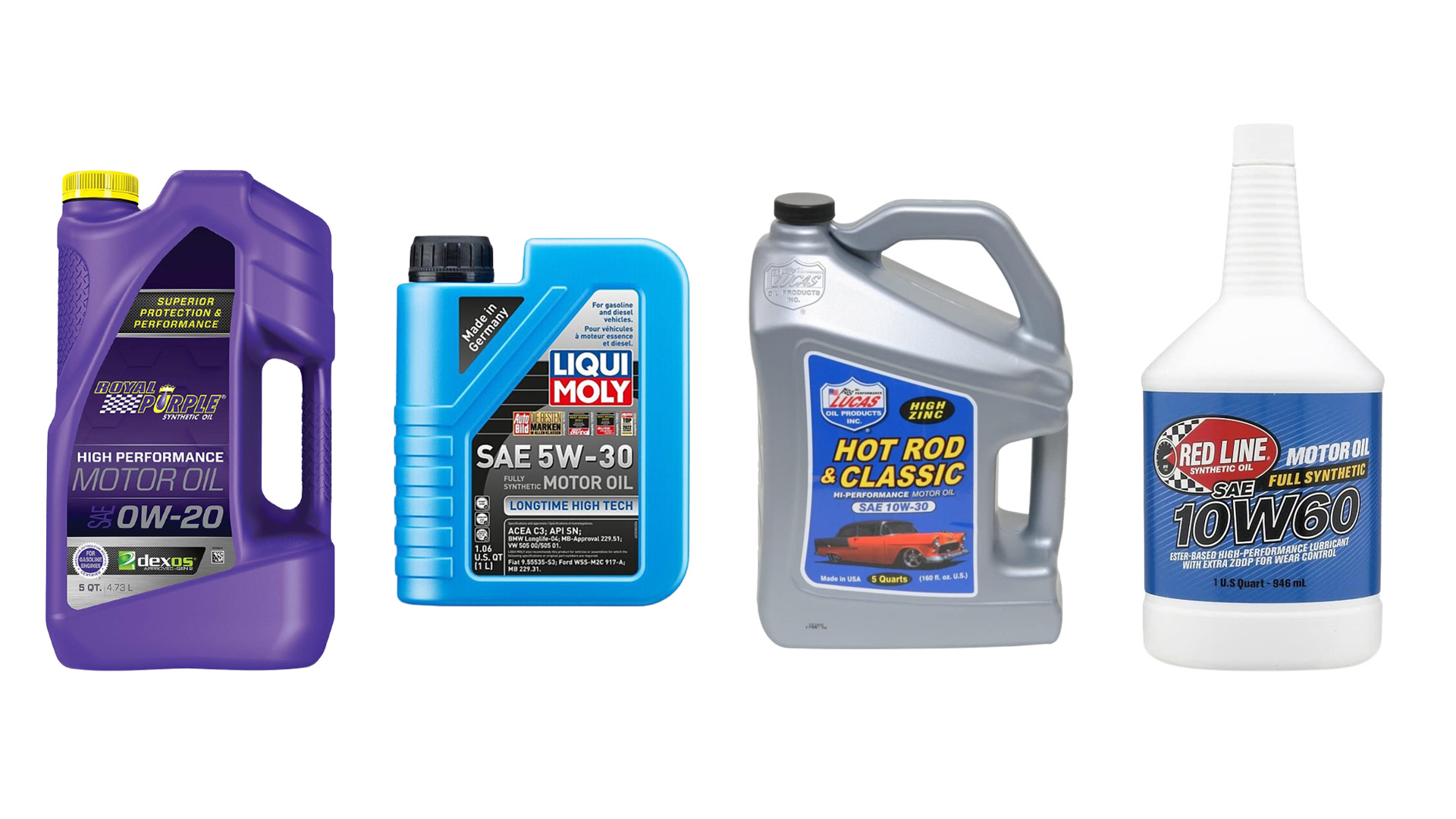
Source: thedrive.com
Myths and mistakes to avoid
Clearing myths helps answer which motor oil is the best for you. I hear these myths every week.
Common myths:
- Thicker oil is always better. Not true. Too thick can starve tight parts.
- You must change every 3,000 miles. Not always. Modern oils and engines often go longer.
- Additives fix every issue. No. Good oil already has the right package.
- All synthetics are the same. They vary in base stocks and approvals.
- Break-in needs special oil forever. Follow the maker’s short break-in steps, then switch to the approved oil.
Mistakes to avoid:
- Ignoring OEM approvals.
- Mixing random viscosities.
- Extending intervals without data.
- Using diesel oil in gas cars without checking specs.
- Skipping the filter quality. A poor filter can undo a great oil.

Source: heavyvehicleinspection.com
A simple step-by-step to choose the best oil
Here is how I answer which motor oil is the best for a specific car. Use this short checklist today.
Steps:
- Check your oil cap and owner’s manual for viscosity and spec.
- Note your climate and driving load.
- Choose full synthetic if budget allows.
- Match OEM approvals exactly when listed.
- For turbo or GDI, confirm API SP and LSPI protection.
- If you tow or track, consider the higher hot grade allowed.
- Select a quality filter that meets OEM flow and efficiency.
- Set a safe interval and adjust with real data or oil analysis.
What I’ve learned from the bay
People often come in asking which motor oil is the best, and they expect a brand name. I point them to specs and needs first. When they follow that, the car runs quiet and smooth. Cold starts are crisp. Oil stays clean longer.
One client ran a small turbo sedan. They used a blend and stretched intervals. We moved to a full synthetic with the right approval. We also set a shorter interval. Knock events dropped. Fuel economy rose a bit. The engine looked cleaner at the valve cover.
I have also seen old SUVs in hot states run better on a higher hot grade within the manual’s range. Oil pressure steadied at idle. Ticking noise vanished. Small changes made a big difference.
Frequently Asked Questions of which motor oil is the best
Is full synthetic always better than conventional?
Full synthetic protects better in heat and cold. It also keeps engines cleaner and can support longer change intervals when allowed.
Can I switch from conventional to synthetic at high mileage?
Yes, you can switch. Use a high-mileage synthetic if you have minor leaks and follow the manual’s viscosity.
How do I know the right viscosity for my car?
Check the oil cap and the manual. Follow the listed grade, and adjust only if the maker gives options for climate or load.
Do I need special oil for a turbo engine?
Yes, use oil with API SP and your OEM approval. These protect against deposits, heat, and LSPI events.
How often should I change my oil?
Follow your manual or the oil life monitor. Shorten the interval for heavy loads, short trips, or extreme temps.
Will a premium brand make my car faster?
Oil does not add power. It protects parts so your engine keeps its designed performance.
Can I mix different oil brands or viscosities?
In a pinch you can top off, but it is better to stick to one oil. Try not to mix viscosities unless the maker allows it.
Conclusion
The best oil is not a single brand. It is the oil that meets your spec, matches your viscosity, and fits your use. That is how you answer which motor oil is the best for your engine. Follow the steps, check the labels, and use full synthetic when you can.
Take action today. Look at your oil cap, read your manual, and pick an oil that meets the exact approval. Set a smart interval, and track how your car feels. Want more help? Subscribe, ask a question in the comments, or share your own results so others can choose with confidence.