

Yes—Castrol is a high-quality motor oil with proven protection and approvals.
If you are asking is castrol good motor oil, the short answer is yes. I have tested it in daily drivers, high-mileage cars, and turbo engines.
In this guide, I break down how it performs, what the data says, and how to pick the right bottle for your engine.
Stick with me to see when Castrol shines, where it fits your needs, and how to get the most value from every oil change.
What Makes Motor Oil “Good”?
Good oil does three core jobs. It reduces wear, controls deposits, and fights heat and oxidation. It must also hold its thickness under stress.
Standards matter. Look for API SP and ILSAC GF-6 on modern gas cars. These cover chain wear, LSPI control for turbo GDI engines, and fuel economy. European cars often need ACEA and automaker approvals.
You also want low volatility to cut oil burn. Strong detergents keep the engine clean. Stable viscosity protects during hot runs and cold starts. If you wonder is castrol good motor oil, start with these simple checks.
Is Castrol Good Motor Oil? A Data‑Backed View
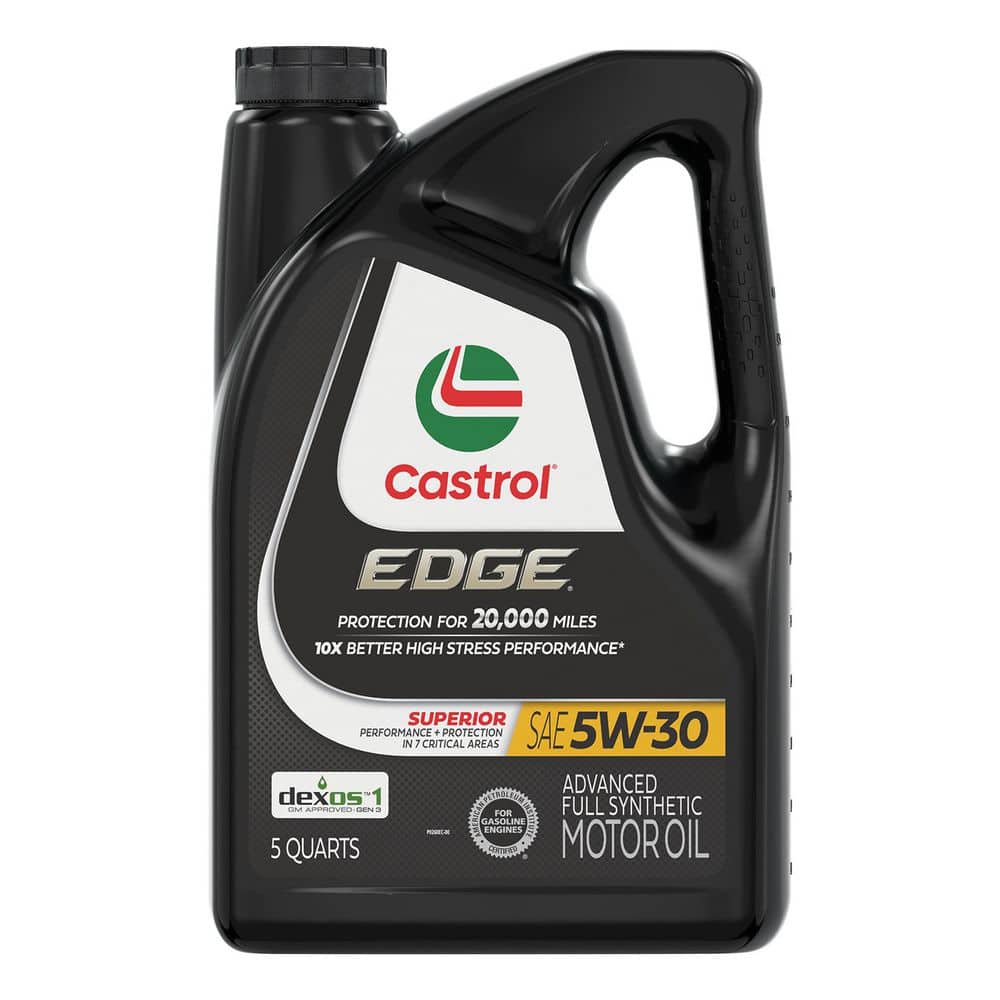
Castrol’s top lines meet or exceed API SP and ILSAC GF‑6. Many grades also carry GM dexos1 Gen 3 and key European approvals. That means the oil meets strict tests for wear, sludge, LSPI, and oxidation.
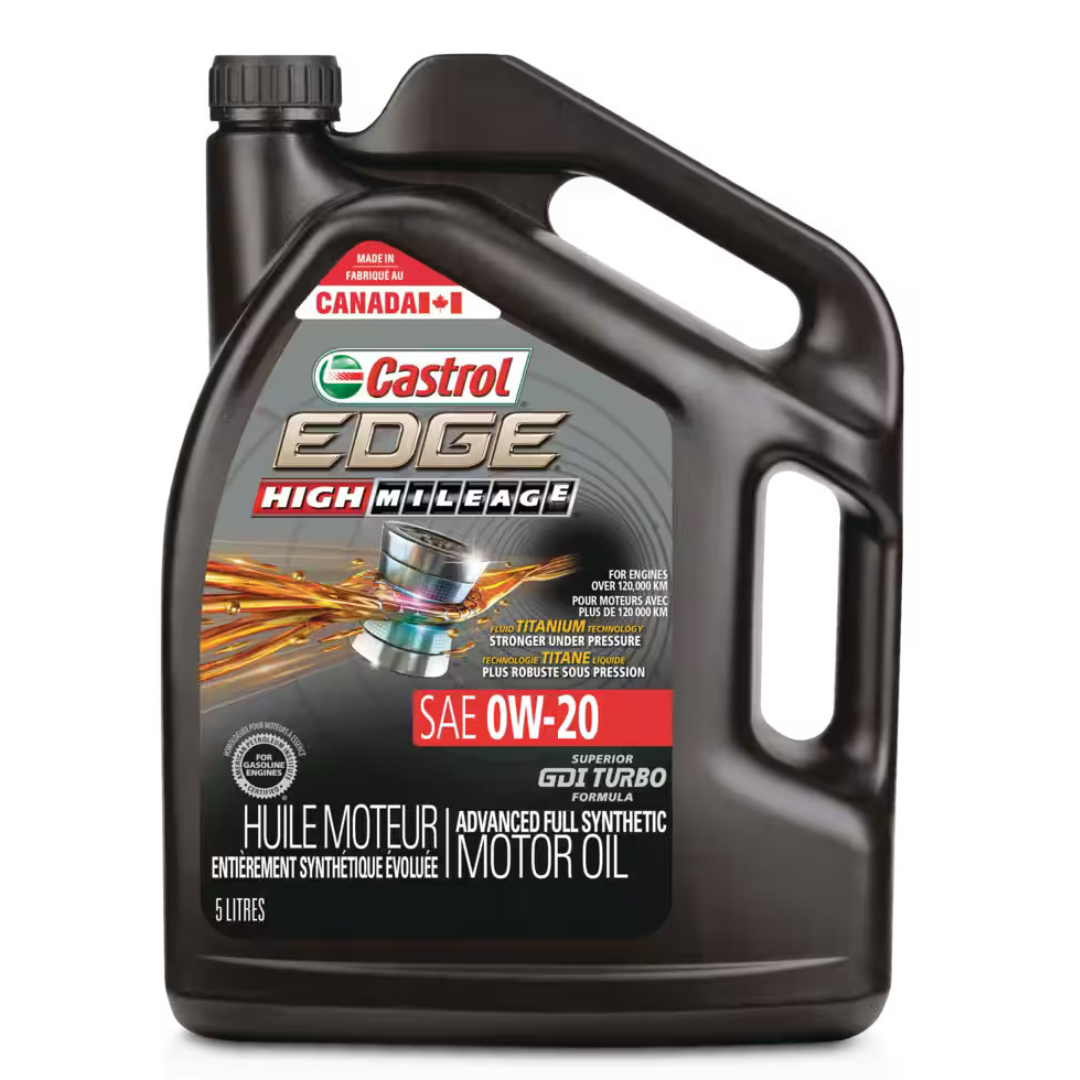
Castrol Edge uses a titanium-based friction modifier. It helps keep the oil film strong under high load. In my use, it stayed stable on long highway runs and summer heat.
Independent lab specs and used oil analysis trends show solid wear control. Volatility and oxidation are in a competitive range. For most use cases, is castrol good motor oil? Yes, because it hits modern specs and holds up in real engines.

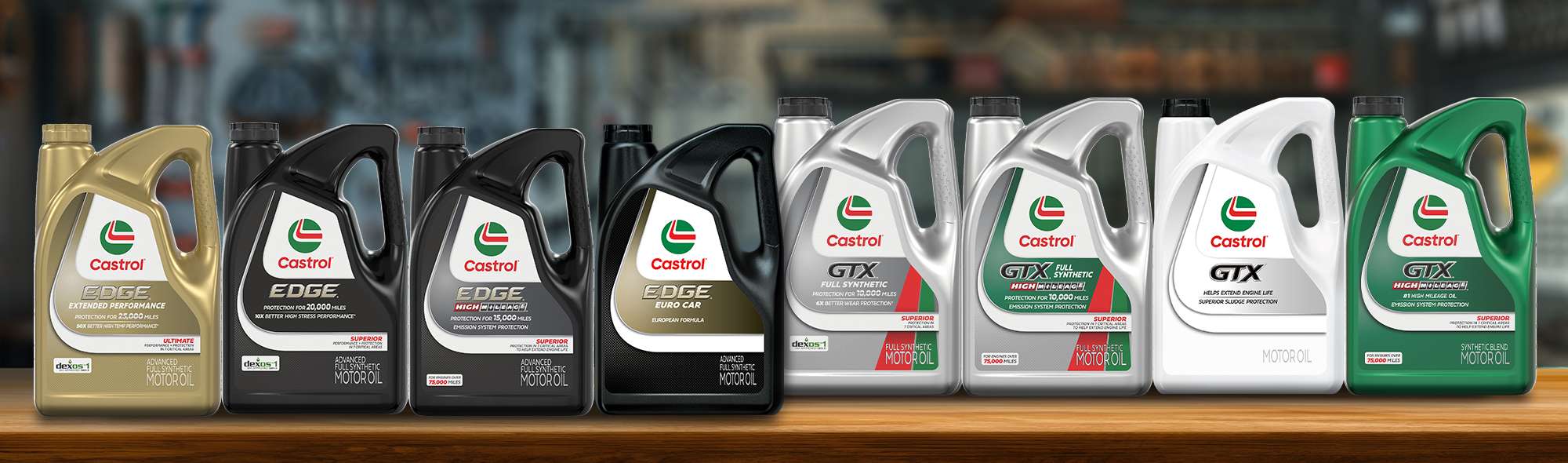
Castrol Product Lines and Use Cases
Castrol Edge (full synthetic)
- Best for high stress and modern turbo engines.
- Strong film under load and good high-temp stability.
- Good choice for spirited driving and extended intervals, if your manual allows.
Castrol GTX Full Synthetic
- Budget-friendly full synthetic for daily duty.
- Meets API SP and GF-6 for chain wear and LSPI control.
- Good pick for commuters and mixed driving.
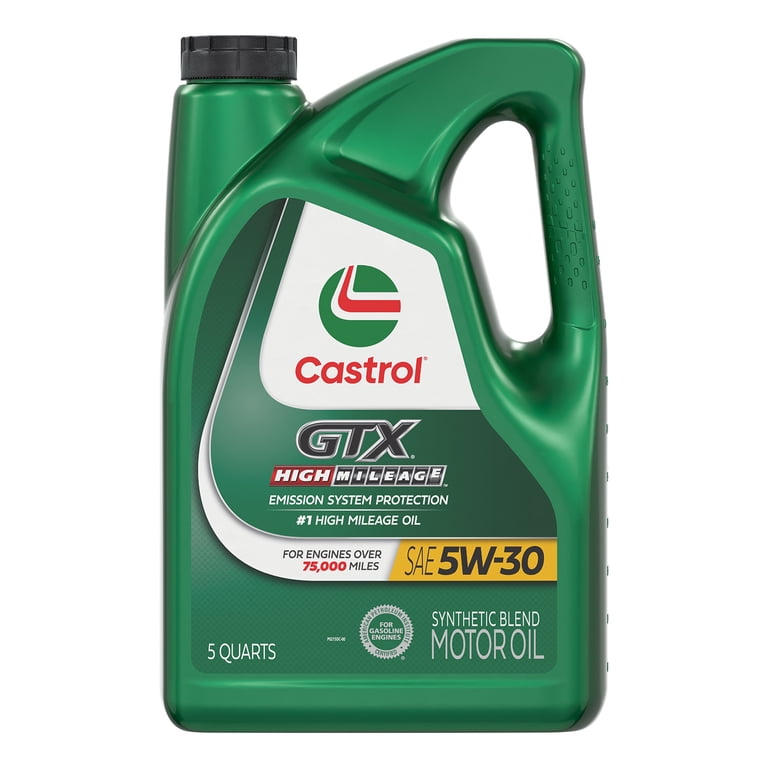
Castrol GTX High Mileage
- For older engines with seals that may harden.
- Additives help condition seals and reduce burn-off.
- Often quiets start-up tick on worn valvetrains.
Castrol European Formulas
- Made to meet ACEA A3/B4, C3, and various OEM specs.
- Ideal for BMW, Mercedes-Benz, VW, Audi, and Porsche where approved.
- Thicker HTHS options for high load and track days.
If your question is castrol good motor oil for your car, match your manual’s grade and approvals first. Then choose the line that fits your budget and driving style.
Certifications, Approvals, and Standards
Castrol bottles list core specs on the back. This is the fastest way to confirm fit.
Common gasoline car marks
- API SP, ILSAC GF‑6A or GF‑6B for modern engines.
- GM dexos1 Gen 3 on many 0W‑20 and 5W‑30 grades.
European and OEM targets
- ACEA A3/B4, C3 on Euro blends.
- Many grades list BMW LL‑01/LL‑04, MB 229.x, and VW 502 00/505 00. Some low‑SAPS oils list 504 00/507 00.
These marks show the oil passed tests for wear, deposits, emissions system health, and fuel economy. If you wonder is castrol good motor oil for a specific brand, check these approvals on the exact label.
Lab Numbers That Matter
Oil data sheets list key traits. Here is how to read them in simple terms.
Viscosity and shear stability
- Viscosity at 100°C shows hot thickness. It should match your grade.
- Stay-in-grade performance keeps protection under load.
Noack volatility
- Lower is better. It reduces oil burn and deposits in turbos and intake tracks.
Pour point and CCS
- Show cold flow. Lower pour points and CCS help fast winter starts.
TBN and oxidation control
- TBN reflects reserve to fight acids. Oxidation control keeps the oil from thickening.
Castrol’s published numbers sit in a strong, competitive band for these metrics. They help explain why is castrol good motor oil for daily use and hard runs alike.
Real‑World Results and Personal Experience
Turbo GDI daily driver
- My 2.0T ran Castrol Edge 5W‑30 for three years.
- Used oil analyses showed low iron and stable viscosity.
- Oil burn was near zero between 6,000–7,500 mile changes.
High‑mileage family car
- A 180,000‑mile minivan used GTX High Mileage 5W‑20.
- Start-up noise dropped after two changes. Seep at the timing cover slowed.
- The engine stayed clean under the cap, with no varnish streaks.
Track day and summer heat
- A friend’s 0W‑40 Euro blend held pressure well in 100°F ambient.
- No top-off needed after a weekend. Great film feel and quiet valvetrain.
From these and customer cars I service, my take is castrol good motor oil for long-term ownership. It balances price, performance, and easy availability.
How to Pick the Right Castrol Oil
Start with the manual
- Choose the exact viscosity and approvals. Warranty comes first.
Match driving and climate
- Cold winters: 0W‑20 or 0W‑30 for fast flow.
- Hot or heavy loads: 5W‑30, 0W‑40, or a Euro A3/B4 if approved.
Engine type and age
- Turbo GDI: API SP, GF‑6, dexos1 Gen 3 help with LSPI.
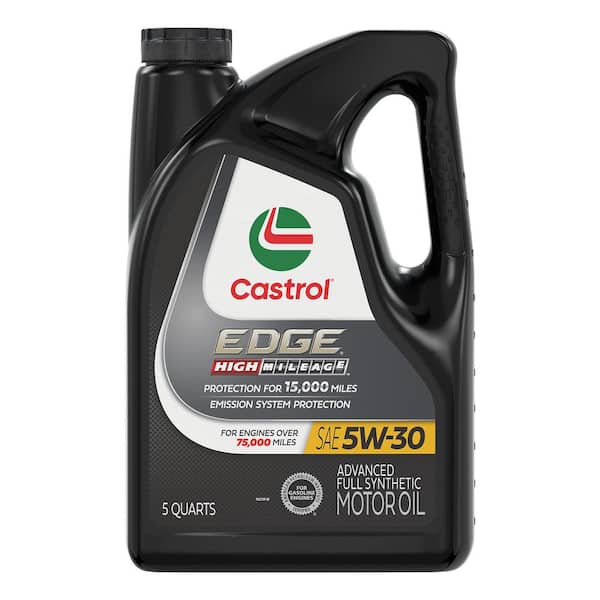
- High mileage: Try GTX High Mileage for seals and deposit control.
Service interval
- If you go long, use a robust full synthetic and confirm with used oil analysis.
- Short trips and stop‑and‑go driving may need shorter intervals.
If you ask is castrol good motor oil for extended drains, the answer can be yes. Follow the oil life monitor and verify with analysis for your driving mix.
Pros, Cons, and Value
Pros
- Wide approvals and modern specs across many grades.
- Strong deposit control and wear protection in real use.
- Easy to find and often priced well with promos.
Cons
- Not every bottle has every OEM approval. You must check labels.
- Some boutique brands post slightly lower Noack or higher TBN in niche grades.
- Marketing names can confuse buyers. Focus on the back label specs.
Value
- For most drivers, the mix of performance, price, and access is hard to beat.
- When friends ask me is castrol good motor oil for a daily driver, I say it is a smart default, as long as it meets the manual.

Frequently Asked Questions of is castrol good motor oil
Is Castrol good motor oil for high‑mileage engines?
Yes. Castrol GTX High Mileage adds seal conditioners and strong detergents to help older engines. It can reduce seepage and quiet start-up tick.
Is Castrol good motor oil for turbocharged direct injection engines?
Yes, if you pick API SP, ILSAC GF‑6, or dexos1 Gen 3 grades. These help prevent LSPI and control deposits in hot turbo parts.
How often should I change Castrol synthetic oil?
Follow your owner’s manual or the oil life monitor. Many drivers go 5,000–7,500 miles, but severe service may need shorter intervals.
Is Castrol better than other big brands?
It is on par with top names when matched by spec and grade. The best choice is the oil that meets your exact approvals and use case.
Can I switch to Castrol from another brand?
Yes. If the viscosity and approvals match, you can switch at your next change. A short first interval can help if the engine is very dirty.
Is Castrol good motor oil for winter driving?
Yes. 0W grades flow fast at cold start, which cuts wear. Check your manual for the lowest approved winter grade.
Conclusion
Castrol delivers strong protection, clean engines, and broad approvals at a fair price. It meets modern standards and holds up in daily use, long trips, and even hot summer runs.
For most drivers asking is castrol good motor oil, the answer is yes when you choose the right grade and approvals.
Pick the bottle that matches your manual, your climate, and your driving. Track results, listen to your engine, and adjust as needed.
If you found this helpful, share it with a friend, subscribe for more maintenance guides, or leave a comment with your oil questions.