

Synthetic motor oil protects better, lasts longer, and keeps engines cleaner and efficient.
If you want your engine to run smooth, start fast, and last, you need the right oil. This guide explains why use synthetic motor oil in clear terms.
I have seen the gains in shops, fleets, and daily drivers. You will learn how it works, when to use it, and how to pick the best one. Read on for expert tips, research, and real results.

What is synthetic motor oil?
Synthetic motor oil is engineered oil. It is built from refined base stocks and advanced additives. The molecules are uniform. They resist heat, cold, and wear better than conventional oil.
Additives do key jobs. They fight sludge and varnish. They block rust. They boost cleaning. They keep the oil stable when you push the engine hard.
This is the core answer to why use synthetic motor oil. It gives steady protection across seasons and miles. It stays strong when regular oil breaks down.
How synthetic oil works vs conventional oil
Conventional oil comes from crude with many molecule sizes. It can shear, thicken, or oxidize faster. Synthetic oil has a tight, even structure. That helps it keep a strong film between parts.
In heat, synthetics hold grade. In cold, they flow fast and cut start-up wear. The result is less friction and better control of deposits. That is one more reason why use synthetic motor oil is a smart choice.
Your engine breathes easier with a clean, stable lubricant. That means smooth power and less stress on parts.
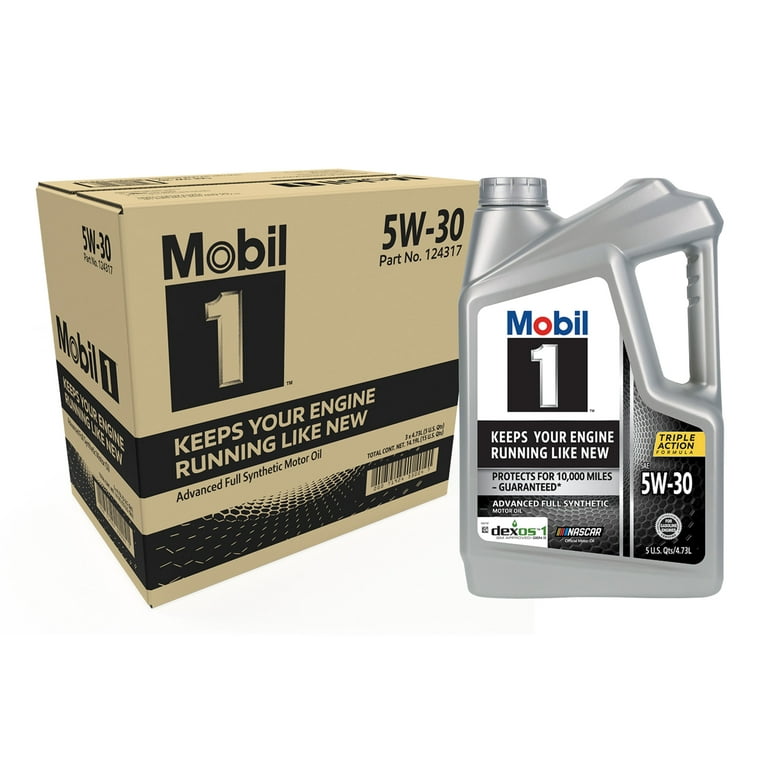
Key benefits of synthetic motor oil
Why use synthetic motor oil? The benefits stack up in daily use and over years.
- Better high-temperature protection: It resists oxidation and burn-off under load or turbo heat.
- Faster cold starts: It flows at low temps, so pumps reach parts in seconds.
- Cleaner engine: Strong detergents keep rings and turbos free of varnish and sludge.
- Longer drain intervals: Many engines allow longer miles between changes when approved.
- Improved fuel economy: Less friction can help save fuel in stop-and-go and highway runs.
- Strong for towing and performance: Film strength helps when hauling, tracking, or mountain driving.
- Quieter operation: A steady oil film can cut lifter tick and valve noise.
- Stable for modern tech: Great for direct injection, start-stop, and hybrid duty cycles.
From a risk view, this is why use synthetic motor oil keeps costs down. It protects the most expensive part of your car.
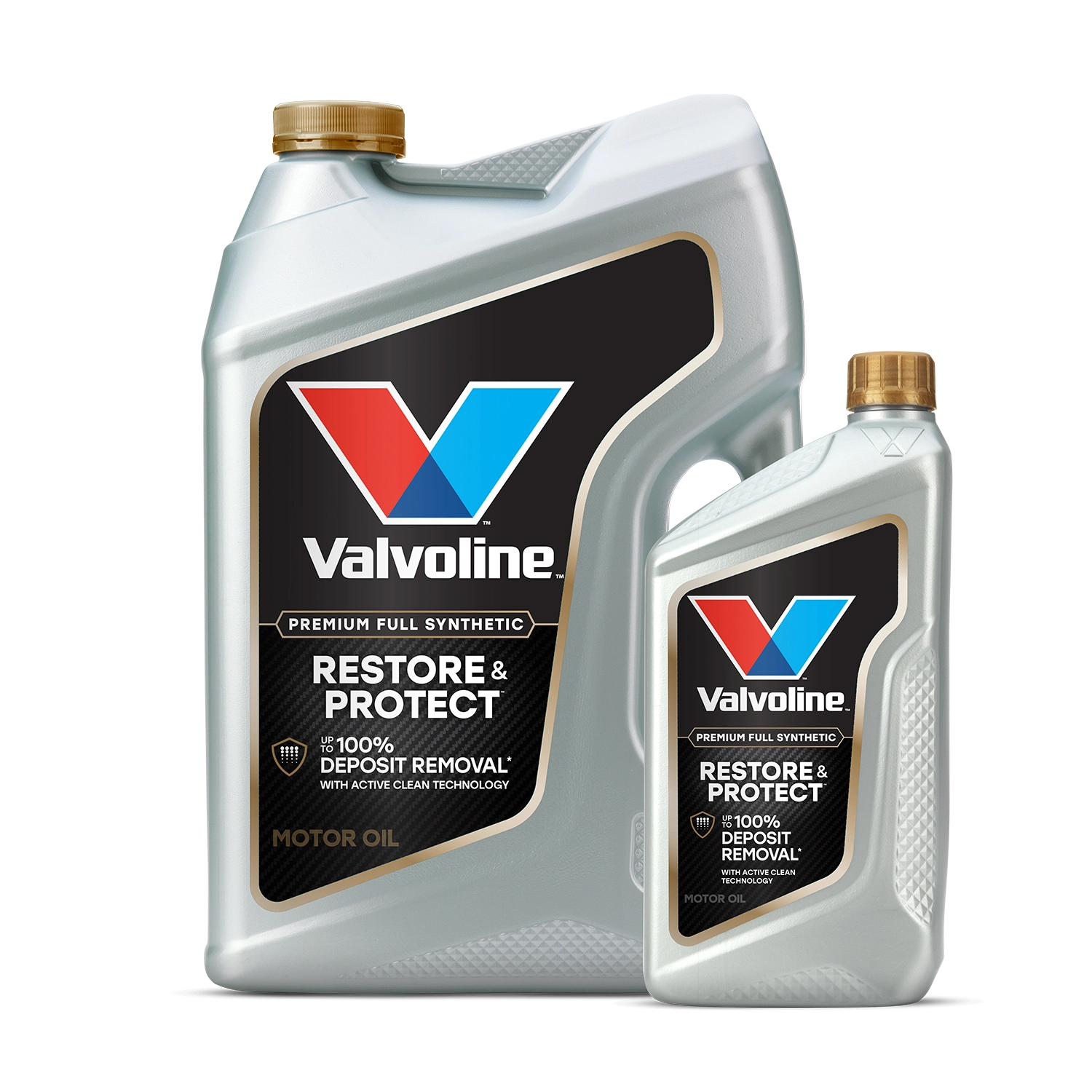
When should you choose synthetic?
You can use it in most modern cars. It shines in tough use. Here is when it makes the most sense.
- You drive a turbocharged or supercharged car: It handles boost heat well.
- You live in very hot or very cold climates: It keeps grade in heat and flows in cold.
- You do short trips or lots of idling: It fights fuel dilution and deposits.
- You tow, track, or haul heavy loads: It keeps a strong film under stress.
- Your manual calls for it or lists approvals: Follow specs for full benefits.
Ask your manual first. If you wonder why use synthetic motor oil, think of your use case. If any box above is checked, it is worth it.
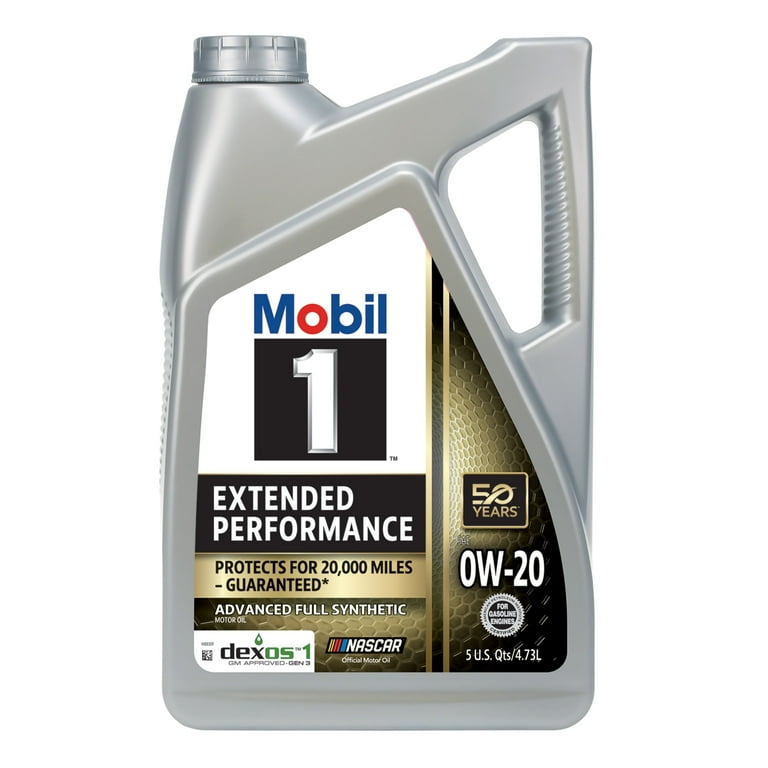
How to choose the right synthetic oil
Picking the right product is simple when you follow specs.
- Match viscosity: Use the grade in the owner’s manual, like 0W-20 or 5W-30.
- Check approvals: Look for API, ILSAC, ACEA, Dexos, or maker-specific codes.
- Fit the engine type: Gasoline, diesel, European spec, or high-mileage options.
- Consider driving style: Daily commute, towing, or track days need different add-on features.
- Filter matters: Pair with a quality filter rated for your oil change interval.
If you ask why use synthetic motor oil over a blend, approvals tell the story. Approved synthetics meet tougher tests for wear, sludge, and oxidation.
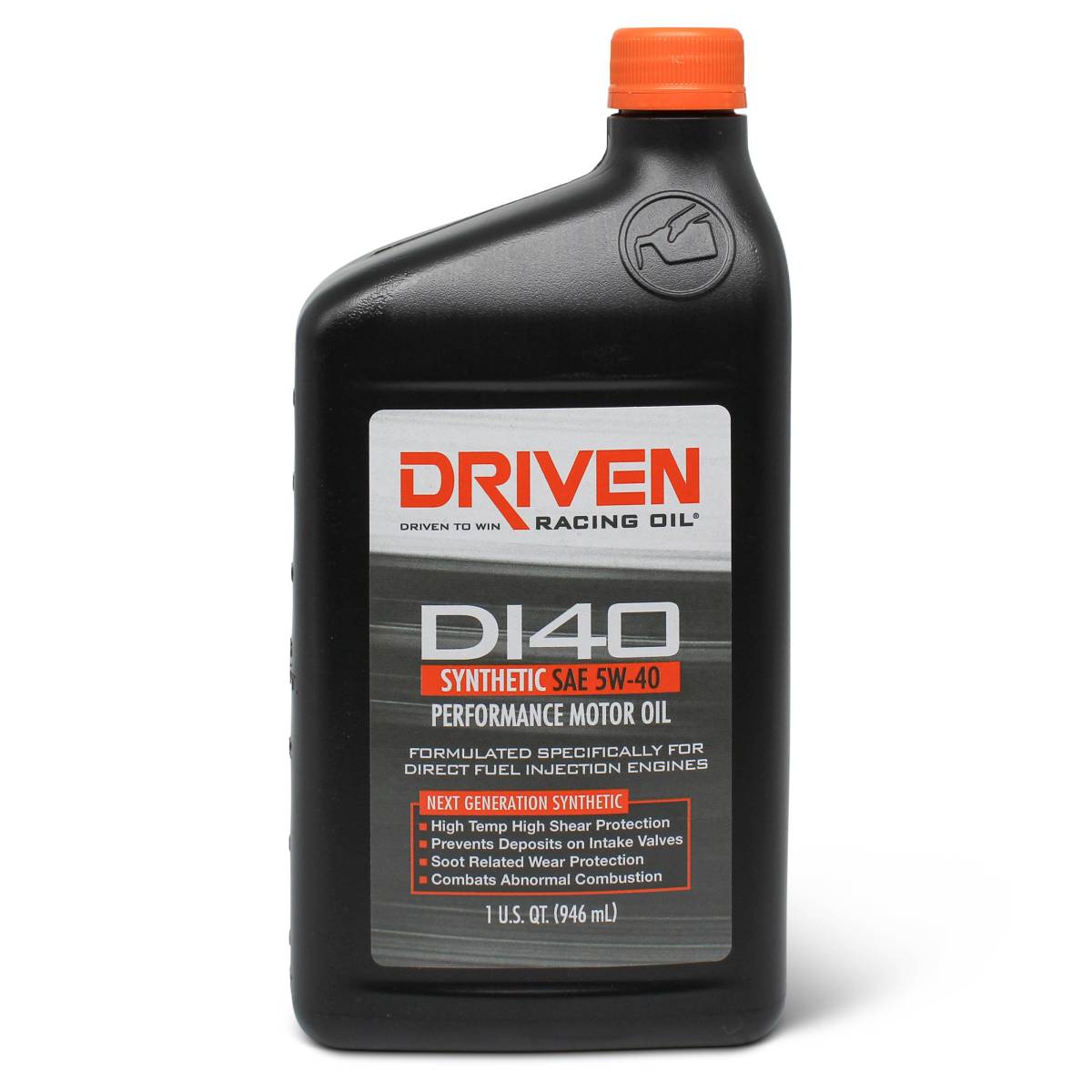
Cost and value: is synthetic worth it?
The sticker price is higher. The life-cycle cost often is not. Here is a quick look.
- Fewer oil changes: If your car allows longer intervals, you buy fewer quarts a year.
- Lower wear and deposits: You avoid repair costs tied to sludge and turbo coking.
- Fuel savings: Small gains add up over many miles.
Think of it like shoes for a runner. Cheap pairs wear fast and risk injury. A well-built pair costs more but protects your stride. The same logic explains why use synthetic motor oil is a value move, not a splurge.
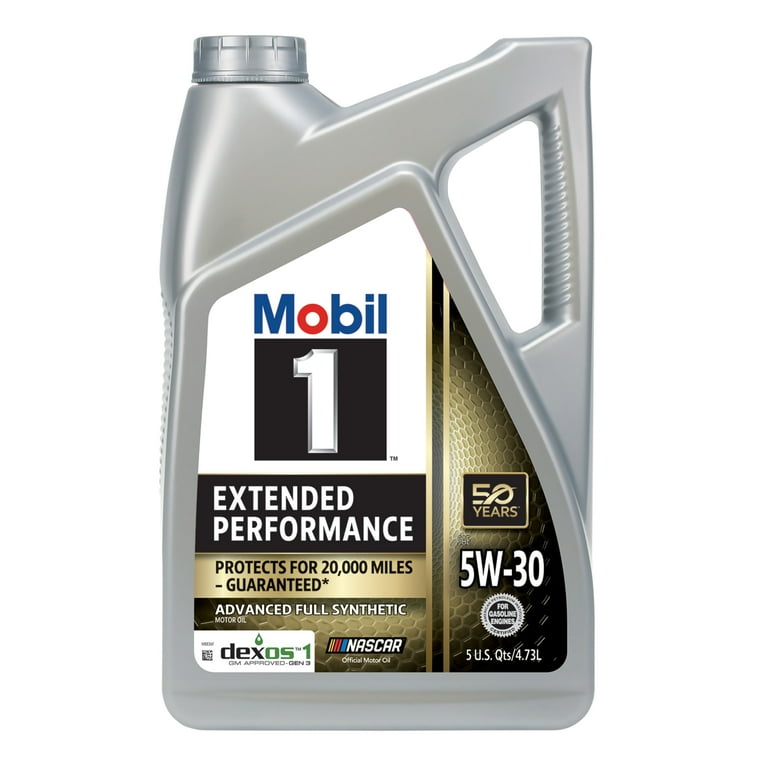
Maintenance best practices with synthetic oil
Good habits protect your engine and your wallet.
- Follow the manual: Obey the oil life monitor or time/mileage limits.
- Use a quality filter: It should match the oil and the interval.
- Check the level monthly: Top off with the same oil and grade.
- Keep records: Note brand, grade, miles, and date for warranty and resale.
- Mixing oils: It is safe in a pinch, but match types for best results.
These small steps support the big reason why use synthetic motor oil helps. The oil can do its job only when you help it.
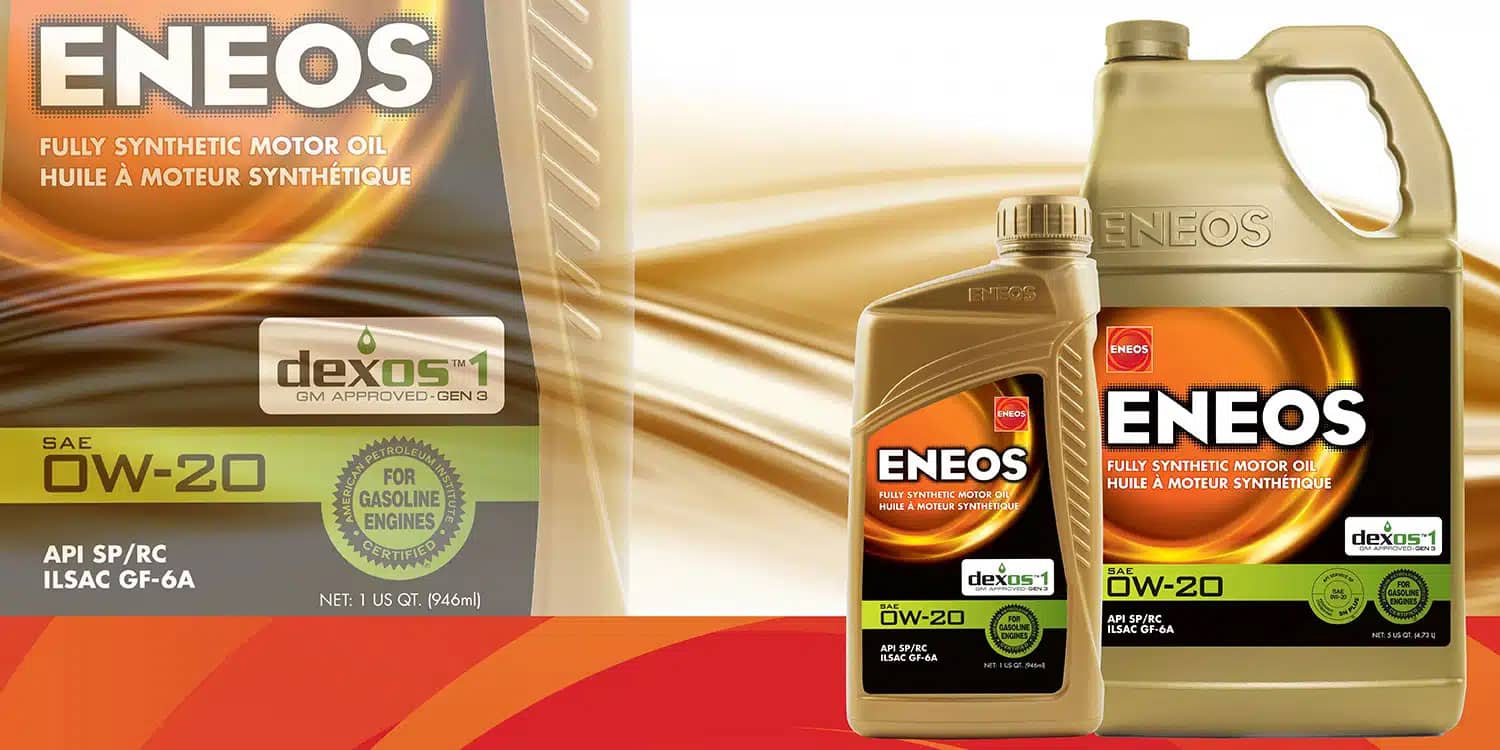
Common myths about synthetic oil
Let’s clear the air with facts.
- It causes leaks: It does not. It can reveal weak seals by cleaning old sludge.
- You cannot switch back: You can. It mixes, but stick to one type for best results.
- It voids warranties: It will not when it meets the maker’s specs.
- It is too slippery: That is a myth. It is built to the same viscosity grade.
- It is bad for older engines: Many high-mileage synthetics support seals and reduce burn-off.
Bust the myths and you see why use synthetic motor oil is a wise choice for most drivers.
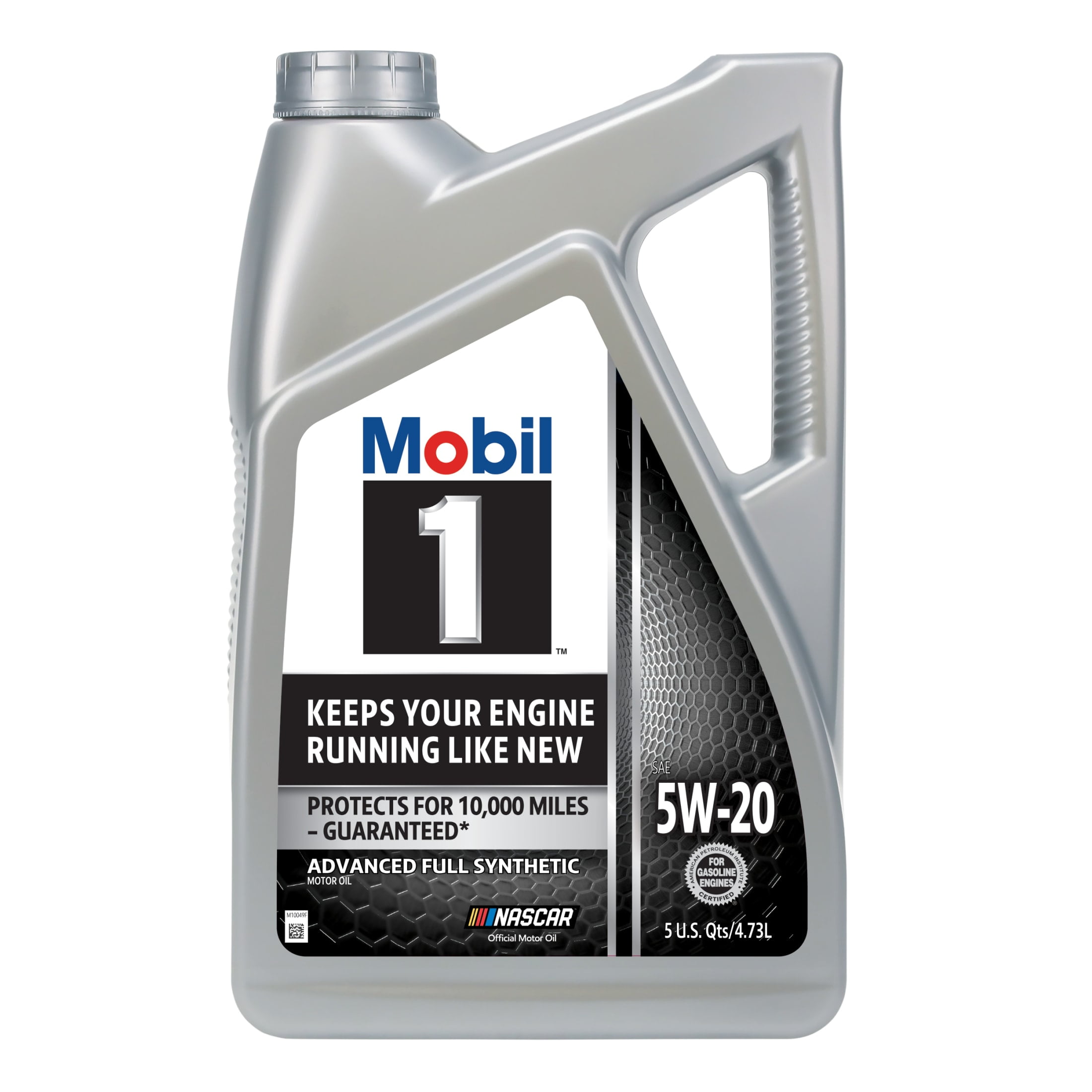
Environmental impact
Better protection and longer drains mean less waste oil. Cleaner engines can burn fuel with fewer deposits. That helps cut tailpipe emissions over time.
Used oil is recyclable. Many shops and parts stores accept it. Fewer changes and proper recycling lower your footprint. That is another angle on why use synthetic motor oil helps both your car and the planet.
Real-world examples and personal insights
I manage a small fleet that hauls tools in summer heat. We moved to synthetic 5W-30 with the right approvals. Oil analysis showed less wear metals and fewer deposits. Downtime dropped.
My own turbo hatch saw steady boost on long grades. With synthetic, the turbo stayed clean, and oil temps held stable. Starts at 0°F were quick and quiet. These results are why use synthetic motor oil is my go-to advice for hard use and harsh weather.
A key lesson: match the oil to the spec, not just the brand. Use a good filter. Check levels monthly. Simple steps, big payoff.
Frequently Asked Questions of why use synthetic motor oil
Is synthetic oil always better than conventional?
Synthetic oil offers better stability, cleaning, and wear control. It is usually the better pick when the manual allows it.
Can I switch to synthetic oil on a high-mileage engine?
Yes, if seals are healthy and you use the right grade. A high-mileage synthetic can help with light leaks and burn-off.
Does synthetic oil improve fuel economy?
It can reduce friction and help a little with fuel use. Gains vary with engine design and driving style.
How often should I change synthetic oil?
Follow the owner’s manual or oil life monitor. Many modern cars allow longer intervals with approved synthetic oil.
Will synthetic oil void my warranty?
No, if it meets the maker’s specs and approvals. Keep receipts and records to stay covered.
Can I mix synthetic and conventional oil?
Yes, they are compatible. For best results, use the same type and grade.
Why do some cars require synthetic oil?
They have tight clearances, turbos, or advanced systems. Synthetic meets the stress and heat those engines create.
Conclusion
Synthetic oil gives cleaner engines, steadier protection, and fewer headaches. It shines in heat, in cold, and under load. That is the heart of why use synthetic motor oil makes sense for most drivers. Use the right grade, follow your manual, and pair it with a good filter.
Take action today. Check your owner’s manual, choose an approved synthetic, and set your next service plan. Want more tips on why use synthetic motor oil and smarter car care? Subscribe, share your questions, or leave a comment with your driving needs.