

Use Liqui Moly by matching the product to your system and following dosages.
If you want smoother engines, cleaner fuel systems, and quieter drives, you can get there with the right Liqui Moly steps.
In this guide, I show how to use Liqui Moly the correct way, based on shop experience and data.
We cover how to use Liqui Moly for engines, fuel systems, transmissions, and more, with safe, clear instructions you can trust.
What Is Liqui Moly and Why It Matters
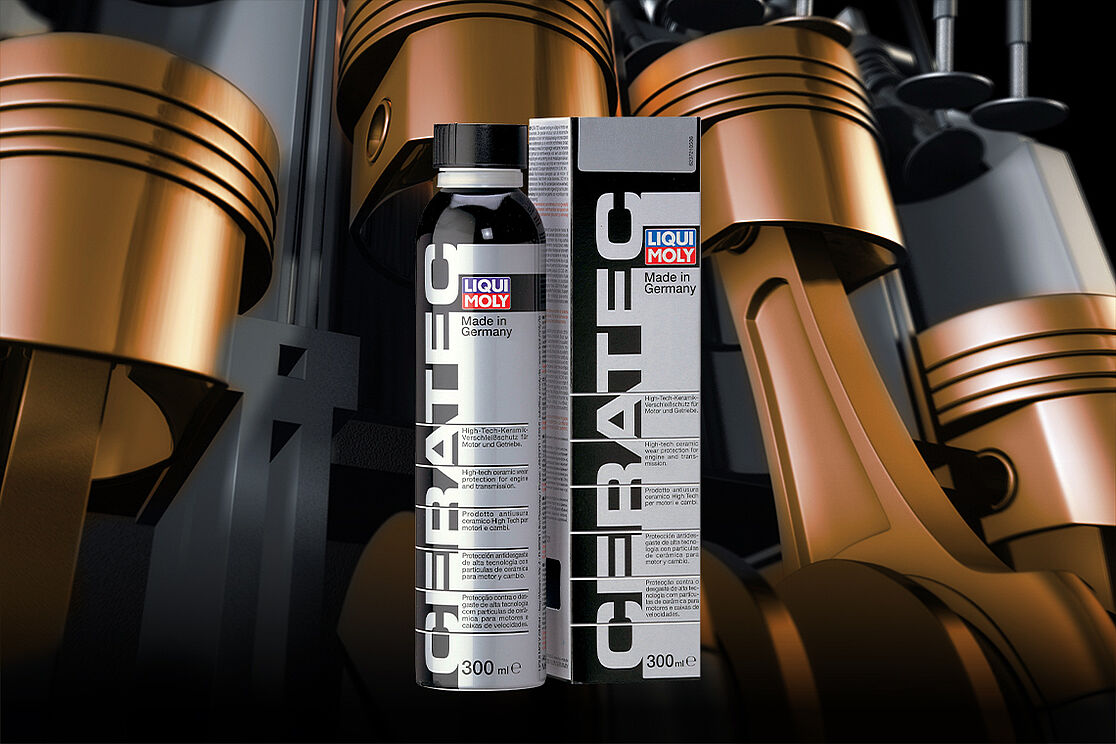
Liqui Moly is a German brand known for oils, additives, and car care products. Their formulas help reduce wear, clean deposits, and improve cold starts. When used right, you may feel smoother power and lower noise.
The key is fit and timing. You must match the product to the system and follow the dose. This article explains how to use Liqui Moly in real cars and daily use, step by step.
How to Use Liqui Moly by System
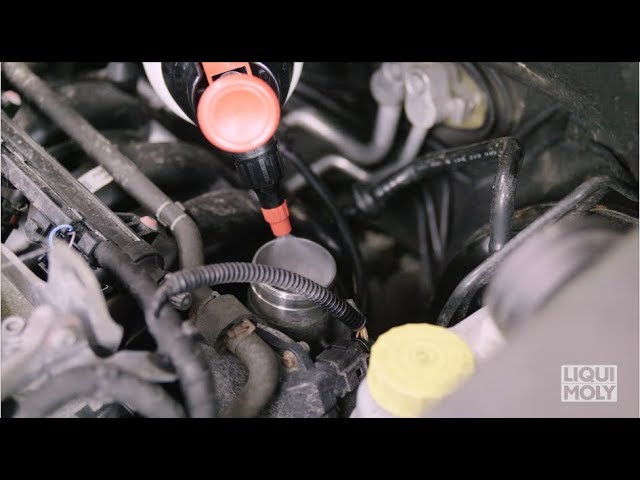
Below is a simple and complete view of how to use Liqui Moly across common systems. Always read your owner’s manual first. Check for approvals and limits.
Engine Oil System
Use these when doing or between oil changes.
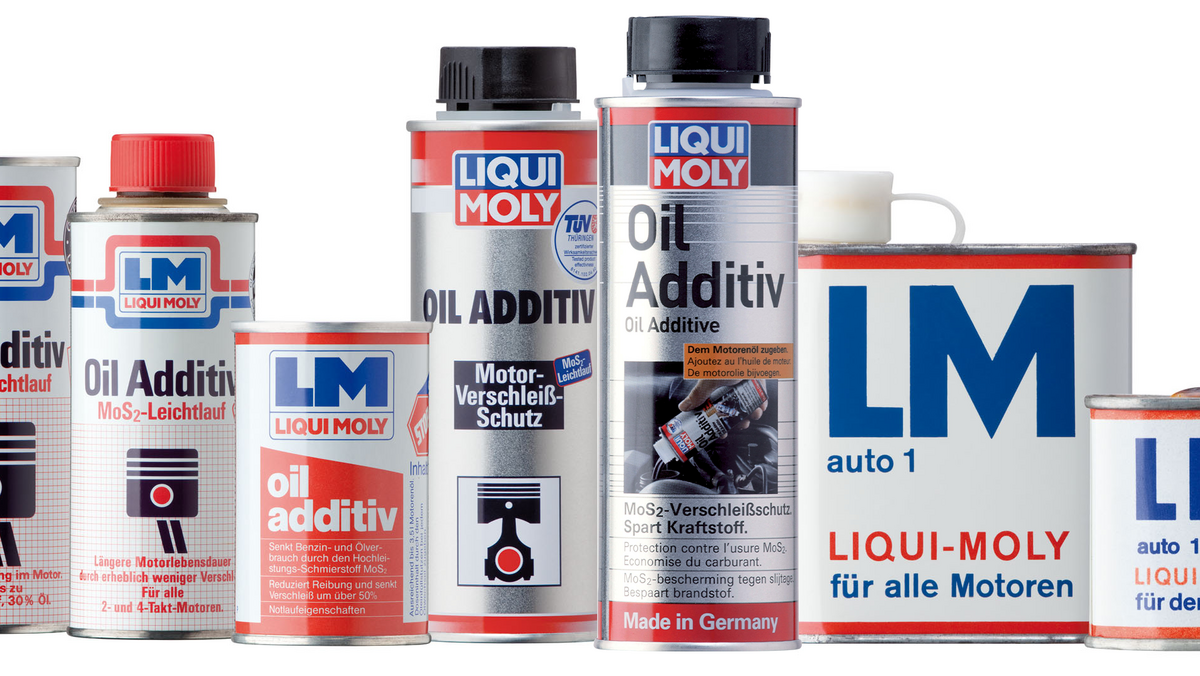
- Cera Tec: Add to fresh oil after the change. One 300 ml can treats up to 5 liters of oil. Shake well.
- MoS2 Anti-Friction: Add to new or used oil. One 300 ml can treats up to 5 liters.
- Pro-Line Engine Flush: Add to warm engine oil before an oil change. Idle 10–15 minutes. Do not drive. Drain hot and replace filter.
Tips from the bay: I use Engine Flush on high-mile cars before switching to synthetic. It helps free sticky rings and lifters. Do not use on engines with unknown sludge risk if you cannot change oil right away.
Gasoline Fuel System
For port and direct injection.
- Jectron Fuel Injection Cleaner: Add one 300 ml can to a near-empty tank. Fill up to 70 liters. Use every 3,000–5,000 miles.
- Valve Clean: For intake valve and chamber deposits. Dose like Jectron. Good for direct injection.
- Speed Tec Gasoline: Add before a trip. Helps throttle response. One can per tank.
My take: On my own GDI car, Jectron reduced idle shake after one tank. The key is to dose into a low tank, then fill.
Diesel Fuel System
For injectors, pumps, and EGR help.
- Diesel Purge: For deep cleaning, run from the can through the fuel lines with a service rig. Or add to the tank at 500 ml per up to 75 liters.
- Super Diesel Additive: One 250–300 ml can per tank for regular upkeep.
- DPF Cleaner (for off-vehicle filter service) or DPF Protector (in-tank): Use only as directed. Follow exact product label.
Shop tip: I run Diesel Purge direct-feed on rough idles. It smooths knock within minutes. Wear eye and hand protection.
Transmissions and Differentials
Use only when allowed by the maker.
- Gear Oil Additive (MoS2): For manual gearboxes and differentials. Typical dose is one tube per liter of gear oil. Do not use with wet clutches or limited-slip units unless approved.
- ATF Additives: Only in automatic units if the product states it is safe for your spec. Many OEMs do not allow additives. Check first.
Cooling System
For scale, rust, and small leaks.
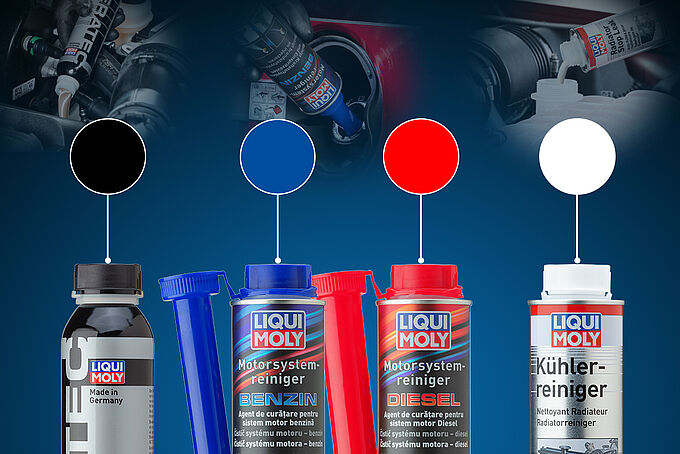
- Radiator Cleaner: Add to coolant, run 10–30 minutes, drain, flush with water, then fill with fresh coolant mix.
- Radiator Stop Leak: Add to a warm system for minor seepage. Not for large leaks or cracked heads.
Power Steering
- Power Steering Oil Leak Stop: Add up to the listed dose. Helps condition seals. Do not overfill.
Motorcycles and Small Engines
- Use motorcycle-specific Liqui Moly oils and additives that are JASO MA/MA2 safe. Do not use friction modifiers that can affect a wet clutch.
This is how to use Liqui Moly across systems, with safe steps and doses. When in doubt, follow the label and your service manual.
Step-by-Step Procedures for Popular Products
This section gives clear procedures and short checklists on how to use Liqui Moly in common cases.
Cera Tec (Friction Modifier)
- Warm the engine, then shut it off.
- Change oil and filter if due.
- Shake the can. Add 300 ml per 5 liters of oil.
- Drive normally. Effects build over 1,000–1,500 miles.
What I see: Quieter cold starts and less lifter tick on older engines.
Pro-Line Engine Flush
- Warm engine to operating temp.
- Add the flush to the old oil.
- Idle 10–15 minutes. Do not rev hard. Do not drive.
- Drain hot. Replace filter. Refill with fresh oil.
- Dispose of used oil at a recycling center.
This is how to use Liqui Moly flush without risk. Time it with the oil change.
Jectron Gasoline Injector Cleaner
- Pour one 300 ml can into a near-empty tank.
- Fill the tank up to 70 liters.
- Drive as normal. Use every 3,000–5,000 miles or before emissions tests.
Diesel Purge
- For direct-feed: Disconnect fuel supply and return lines. Plumb them into the can with a service kit. Idle 15–30 minutes. Reconnect lines. Replace fuel filter if needed.
- For tank use: Add one 500 ml can to up to 75 liters of diesel. Drive.
I use the direct method on rough idle or smoke. It works fast and is very visible in the exhaust note.
Oil Saver or Motor Oil Saver
- Add one 300 ml can to warm engine oil.
- Do not overfill. Drive at least 300–500 miles to see results.
- Helps reduce small leaks and oil burn from hardened seals.
Radiator Cleaner
- With the engine cool, add to the radiator or expansion tank.
- Run with heater on for 10–30 minutes.
- Drain, flush with water, then fill with the right coolant mix.
This is how to use Liqui Moly cleaners in a safe, simple way at home.

Maintenance Schedule and When to Use
A simple plan helps you get steady results. Here is how to use Liqui Moly on a regular schedule.
- Every oil change: Use Cera Tec or MoS2 Anti-Friction if desired. Use Engine Flush before the drain if sludge or noise is a concern.
- Every 3,000–5,000 miles (gas): Add Jectron or Valve Clean to a tank.
- Every 5,000–10,000 miles (diesel): Use Super Diesel Additive often. Use Diesel Purge as needed for rough idle, smoke, or poor MPG.
- Cooling system: Clean every 2–3 years or when changing coolant.
- Gearboxes and differentials: Use additives only at fluid change, and only if approved.
If you ask how to use Liqui Moly for best effect, pair additives with service events. Add to fresh oil or a fresh tank. Track results in a log.
Safety, Compatibility, and Warranty Notes
Using the right product in the right place keeps you safe and keeps your warranty intact. Here is how to use Liqui Moly while staying within limits.
- Check OEM specs. Many Liqui Moly engine oils carry approvals. Additives may not be allowed by some automakers.
- Never exceed the dose. More is not better. Overdosing can upset oil chemistry or fuel trims.
- Do not add friction modifiers to engines or gearboxes with wet clutches unless allowed.
- For turbo and GDI engines, avoid harsh solvents not meant for them. Use the product line designed for these systems.
- Dispose of fluids at licensed recycling centers.
Troubleshooting and Mistakes to Avoid
Even good products can be misused. Here is how to use Liqui Moly and avoid common errors.
- Do not drive with Engine Flush in the oil. It is for idle only.
- Do not pour Diesel Purge into DEF or coolant. Label your bottles and funnels.
- Do not add Cera Tec to old, dirty oil. You want clean oil for best results.
- If a check engine light appears after a fuel cleaner, clear codes and recheck after a full tank. Deposits can shift before they burn off.
- If noise grows after a flush, stop and inspect. Sludge can reveal worn parts that were masked by deposits.
In my shop, the biggest mistake is skipping the owner’s manual. The second is doubling the dose. Keep it simple. Follow the label.
Frequently Asked Questions of how to use liqui moly
How often should I use fuel system cleaners?
Use them every 3,000–5,000 miles for gas engines and every few tanks for diesel. Adjust based on fuel quality and driving style.
Can I mix Cera Tec and MoS2 in the same oil fill?
It is better to choose one. Using both adds no clear gain and can upset additive balance.
Will Engine Flush harm seals or gaskets?
Used as directed, it is safe for most engines. Do not use in engines with severe leaks or if you cannot change the oil right away.
Is Diesel Purge safe for modern common-rail systems?
Yes, when used per the label. For direct-feed cleaning, use the right fittings and keep the engine at idle only.
Which product helps with lifter tick?
Try Hydraulic Lifter Additive or fresh oil plus Cera Tec. If the noise stays, the lifter may be worn and need service.
Does Liqui Moly void my warranty?
Using approved engine oils does not void a warranty. Some manufacturers do not allow additives, so check your warranty terms.
How do I know how to use Liqui Moly with my exact oil capacity?
Check your owner’s manual for oil volume. Then follow the Liqui Moly can’s dose per liter for a precise measure.
Can I use Liqui Moly in hybrids and start-stop engines?
Yes, use oils and additives approved for those engines. Follow drain intervals and avoid overdosing.
How to use Liqui Moly to pass an emissions test?
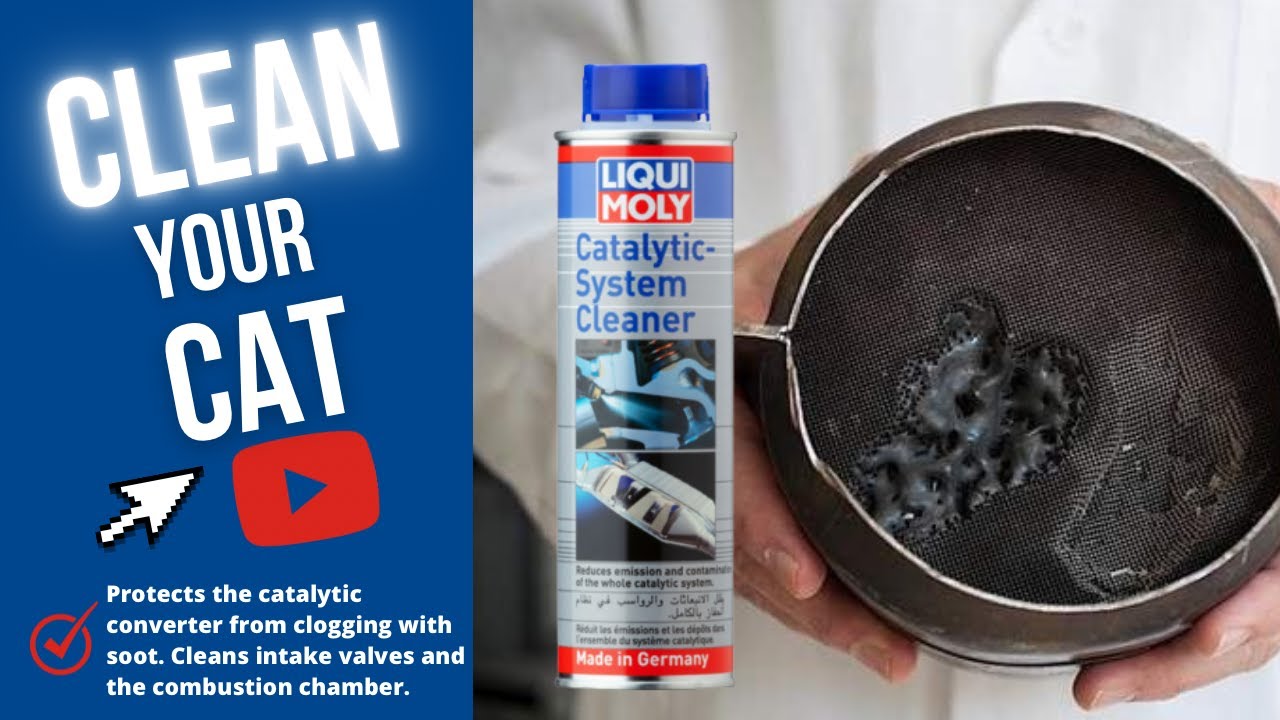
Use a fuel cleaner one tank before testing and ensure a fully warmed catalytic converter. Fix any fault codes first.
What is the best way to learn how to use Liqui Moly across products?
Start with your top concern, like rough idle or noise. Read each label and apply one product at a time to measure results.
Conclusion
You now know how to use Liqui Moly in a safe, practical way. Match the product to the system, follow the dose, and time it with your service. Keep notes, and you will see steady gains in smoothness and care.
Take one step today. Pick the system that needs help most and apply the right product with care. If you found this useful, subscribe for more guides, ask a question, or share your results so others can learn too.