

Some GTX oils are full synthetic; classic GTX is conventional.
If you have asked is castrol gtx synthetic, you are not alone. I have worked with Castrol oils in shops and home garages for years.
In this guide, I break down exactly what the GTX name means today, how to read labels, how it affects your engine, and when to choose GTX Full Synthetic over conventional or blends.
You will get clear answers, real-world examples, and the data you need to buy with confidence.
What Castrol GTX means today
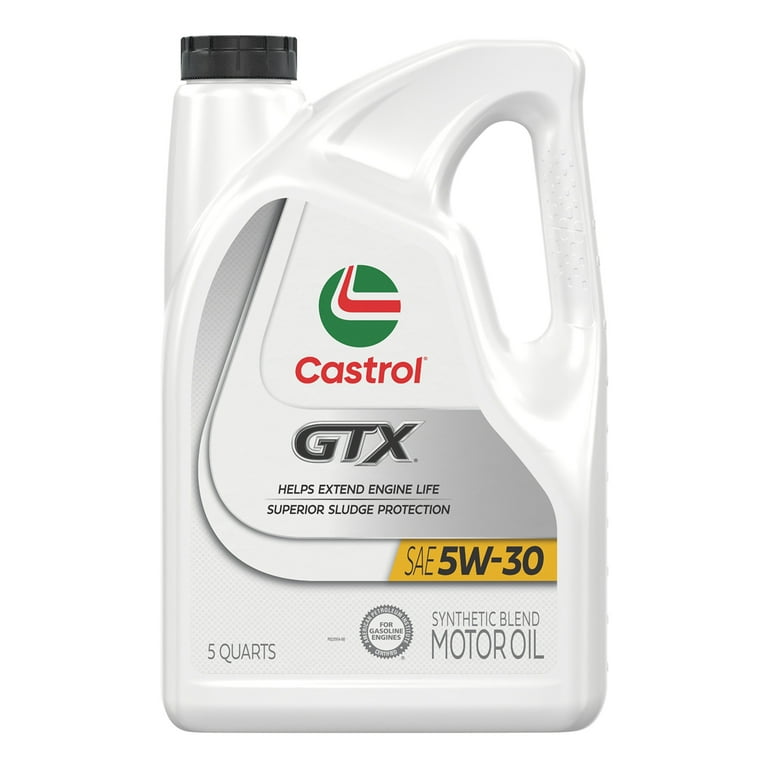
Castrol GTX is a product family, not a single oil type. Years ago, GTX meant conventional oil only. Today, the GTX line includes conventional, synthetic blend, and full synthetic choices. That is why people ask is castrol gtx synthetic so often.
Current options you will see on shelves:
- GTX conventional. Often labeled simply as Castrol GTX.
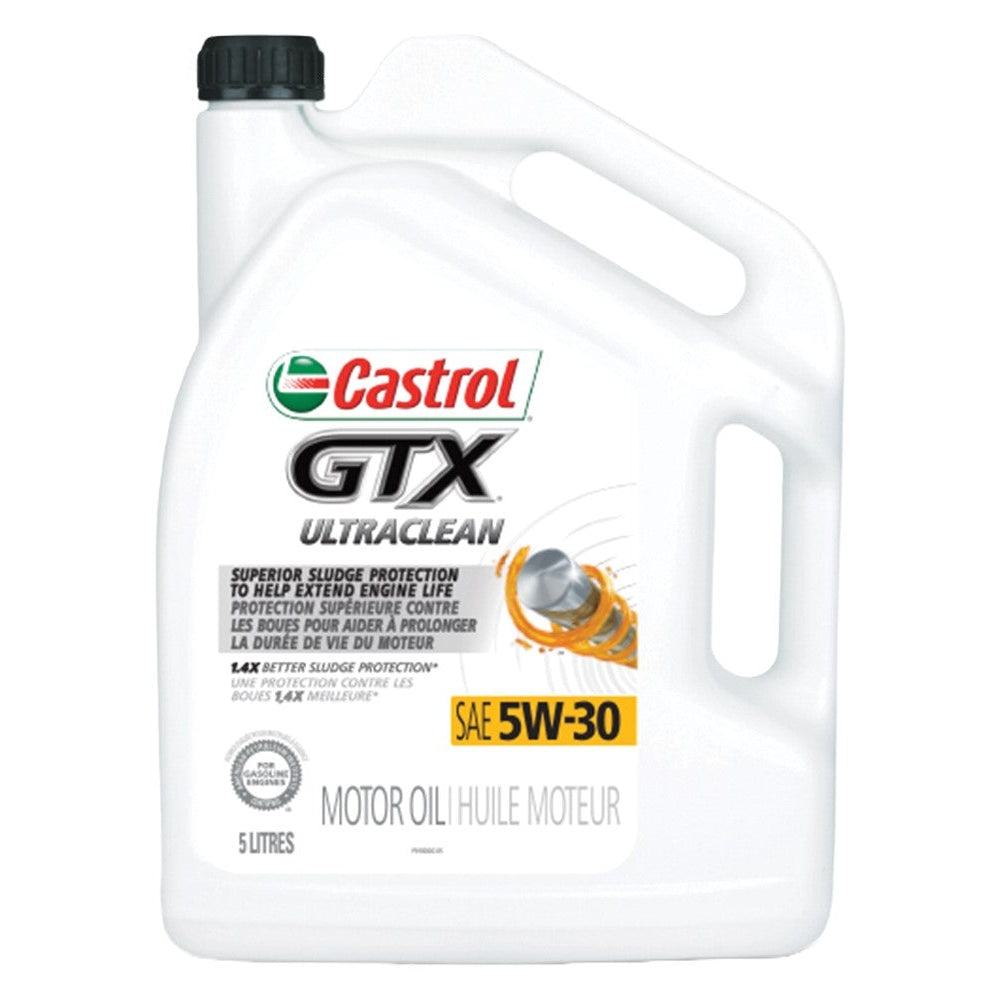
- GTX Ultraclean. A synthetic blend focused on sludge protection.
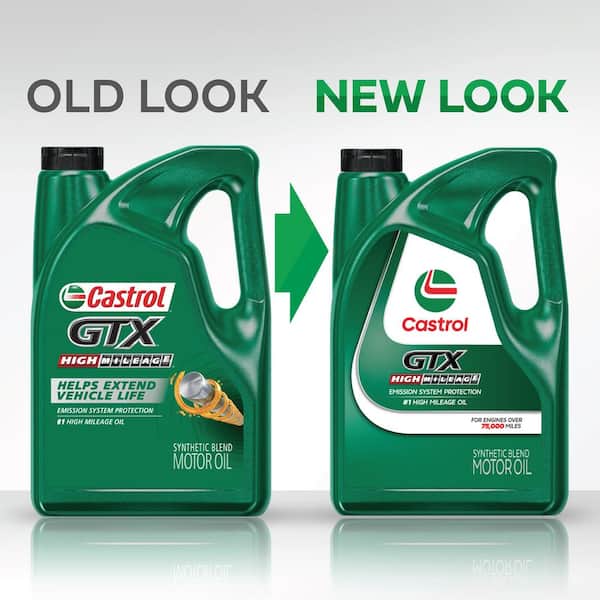
- GTX High Mileage. Usually conventional or a blend with seal conditioners, sometimes a full synthetic variant in select grades.
- GTX Full Synthetic. A true full synthetic line with modern approvals.
Always read the label and the back panel. The bottle will clearly say Full Synthetic if it is. This is the fastest way to answer is castrol gtx synthetic when you are in the aisle.
Is Castrol GTX synthetic? Understanding labels and specs
In North America, full synthetic usually means Group III or Group IV base oils. These offer better resistance to heat and oxidation than conventional. If the bottle says Full Synthetic and lists API SP and ILSAC GF-6, it meets current gasoline engine standards.
What to look for on the bottle:
- Words Full Synthetic on the front.
- API Service SP and the API donut on the back.
- ILSAC GF-6A or GF-6B for fuel economy and timing chain wear protection.
- OEM approvals. Many GTX Full Synthetic grades carry GM dexos1 Gen 3 and other OEM specs.
- Viscosity that matches the owner’s manual, such as 0W-20, 5W-20, 5W-30.
If your question is castrol gtx synthetic because you saw different bottles online, check the product data sheet for the exact SKU.
Manufacturer data sheets confirm whether a specific viscosity is full synthetic, a blend, or conventional. This is the most reliable way to settle is castrol gtx synthetic for any given bottle.
Conventional vs synthetic vs blend: What changes in real life
The jump from conventional to full synthetic is like moving from regular sneakers to performance running shoes. Both work, but one keeps up better under stress.
Key differences you will feel over time:
- Cleaner engines. Full synthetic resists sludge and varnish, which helps keep rings and lifters cleaner.
- Stable viscosity. Better film strength in heat and less thickening in cold starts.
- Less oil burn-off. Lower volatility helps reduce top-offs between changes.
- Longer drain intervals. Many vehicles allow longer intervals with synthetic, if you follow the manual.
If you ask is castrol gtx synthetic to solve cold-start rattle or heavy summer heat, GTX Full Synthetic is the safer bet. Synthetic blends like GTX Ultraclean can be a good middle ground for cost and protection.
Which GTX should you choose?
Match the oil to how and where you drive. This keeps the engine happy and the warranty intact.
Pick your path:
- Newer daily driver in mixed weather. GTX Full Synthetic in the exact grade your manual calls for.
- Older car past 75,000 miles. GTX High Mileage for seal conditioners. If you want max protection, choose a High Mileage Full Synthetic variant when offered in your grade.
- Short trips and cold winters. 0W-20 or 0W-30 GTX Full Synthetic for fast flow at start-up.
- Hot climate or towing. 5W-30 or 5W-40 where allowed by the manual for a stronger film at heat.
- Budget with solid protection. GTX Ultraclean synthetic blend.
When you think is castrol gtx synthetic the right match for my engine, start with the owner’s manual. Then choose the proper GTX tier that meets or exceeds those specs.

Real-world results and tips from the bay
In my shop, I have switched many vehicles from conventional GTX to GTX Full Synthetic. The most common feedback is quieter cold starts and fewer top-offs between changes. On high-mileage engines, the High Mileage variants help calm small seeps over a few services.
Practical tips I use:
- Follow the oil life monitor but set a ceiling. I cap at 7,500 miles for full synthetic on typical gasoline engines unless the manual allows more.
- Keep the same viscosity. Do not jump grades unless the manual lists them as approved.
- Track consumption. If usage drops after moving to GTX Full Synthetic, extend with confidence on the next interval.
If your question is castrol gtx synthetic enough for severe service, my answer is yes, if the bottle is the Full Synthetic line and it meets your OEM approvals.
How to verify a bottle at the store
You can confirm is castrol gtx synthetic in under a minute. Do this checklist:
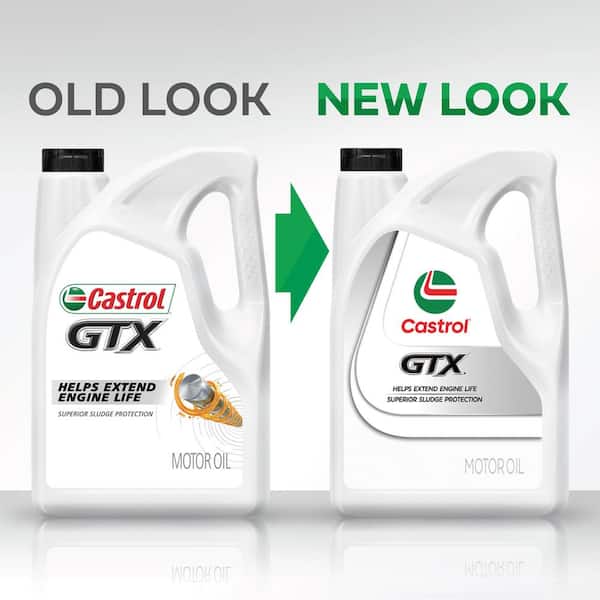
- Read the front label for Full Synthetic or High Mileage or Ultraclean.
- Flip to the back for API SP and ILSAC GF-6. Check for OEM approvals like dexos1 Gen 3.
- Confirm viscosity matches your cap or manual.
- Scan the QR code if present for the product data sheet.
- Compare the SKU to the listing on the brand site to avoid confusion with older labels.
If a bottle is missing modern approvals, do not buy it. This quick method answers is castrol gtx synthetic and shields you from old stock.

Cost, change intervals, and warranty
Full synthetic GTX often costs more per quart than conventional GTX. But it can save money over the year by allowing longer intervals and lowering engine wear. Many owners see fewer top-offs too.
Change timing:
- Conventional GTX. Often 3,000 to 5,000 miles, depending on your manual.
- GTX Full Synthetic. Often 5,000 to 10,000 miles, driven by the manual and oil life monitor.
Always follow the owner’s manual. Keep receipts. If your concern is castrol gtx synthetic for warranty work, the key is approvals and documented service on time.
Common myths about GTX and synthetic oil
Let’s clear the air. These points come up every week at the counter.
- Synthetic causes leaks. False. It may reveal old hardened seals, but High Mileage formulas help condition them.
- You can never mix oils. In a pinch, you can top off with any oil that meets the same specs. Matching viscosity and approvals is more important.
- All synthetics are the same. Not true. Base oils and additive packages differ. That is why approvals matter.
- You must switch back to conventional on old engines. Not needed. Many older engines run cleaner and quieter on GTX Full Synthetic.
If you are still wondering is castrol gtx synthetic enough for turbo engines, check for API SP, ILSAC GF-6, and your OEM turbo spec. Many GTX Full Synthetic grades meet them.

Frequently Asked Questions of is castrol gtx synthetic
Is Castrol GTX synthetic or conventional?
Both exist under the GTX name. If the label says Full Synthetic, it is synthetic; if not, it may be conventional or a blend.
Why do some GTX bottles say Ultraclean or High Mileage?
Ultraclean is a synthetic blend focused on sludge control. High Mileage adds seal conditioners and extra detergents for older engines.
Can I switch from conventional GTX to GTX Full Synthetic?
Yes. It is safe and often helpful. Follow your manual for viscosity and keep your usual change interval at first.
Does GTX Full Synthetic meet modern standards?
Most current grades meet API SP and ILSAC GF-6, and many carry GM dexos1 Gen 3. Always check the back label for your exact bottle.
Will full synthetic extend my oil change interval?
Often yes, if your manual allows it. Watch the oil life monitor and verify approvals.
Is CastroI EDGE better than GTX Full Synthetic?
EDGE is positioned as a higher performance synthetic line. GTX Full Synthetic still offers strong protection and modern approvals for daily use.
How do I answer is castrol gtx synthetic when shopping online?
Check the product title and the back label image for Full Synthetic and API SP. When in doubt, confirm with the product data sheet.
Conclusion
Castrol GTX is a family that spans conventional, synthetic blends, and full synthetic oils. If you want the benefits of synthetic, choose the bottle that clearly says Full Synthetic and matches your manual’s specs.
The fastest way to settle is castrol gtx synthetic is to read the label, verify API SP or ILSAC GF-6, and confirm any OEM approvals you need.
Use what your engine calls for, track results, and adjust with data. Ready to go deeper? Compare your current oil’s approvals with GTX Full Synthetic in your grade, and share your results or questions in the comments.