

Add motor oil through the oil filler cap on the engine, not the dipstick.
Knowing where to put motor oil in car can save your engine and your wallet. In this guide, I explain the exact location, the right steps, and the mistakes to avoid.
You will learn from real shop experience and easy checks you can do at home. Stick with me, and you will never guess again about where to put motor oil in car.
Where to put motor oil in car: what it is and why it matters
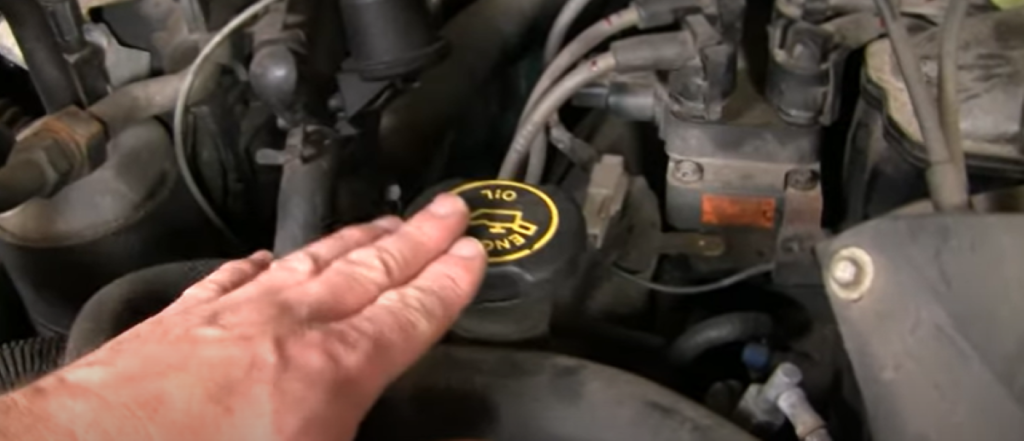
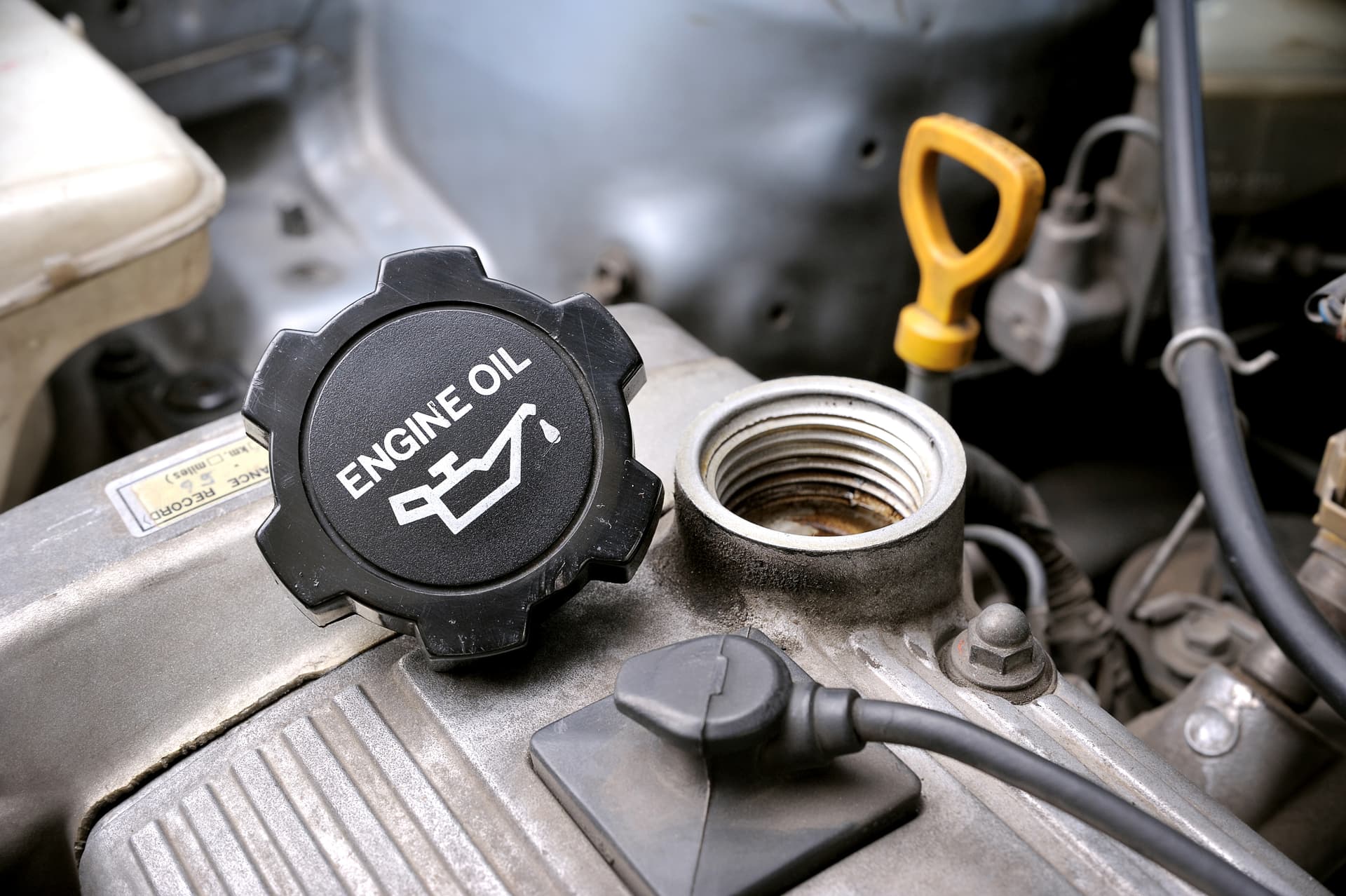
You add oil through the oil filler cap on top of the engine. It often says OIL or shows a small oil can icon. It is not the dipstick tube. It is not the coolant tank. It is never the brake fluid cap.
Why this matters is simple. Your engine needs clean oil at the right level. Wrong placement can harm key parts fast. In my shop, I have seen people pour oil into coolant. The repair cost was huge. Knowing where to put motor oil in car avoids that pain.

Source: caranddriver.com
How to spot the oil filler cap fast
You do not need tools to find it. Open the hood. Look on top of the engine cover or near a valve cover. Most caps are black and round.
Use these cues:
- Look for OIL text or the oil can icon. That is the oil cap.
- The cap threads into a hole in the valve cover or engine cover.
- The dipstick is a pull-out blade with a loop handle. Do not pour oil there.
- The coolant tank is a clear bottle with colored fluid. Do not pour oil there.
- Brake fluid caps say DOT 3 or DOT 4. Never open unless needed.
If you are not sure, check the owner’s manual. It shows a diagram of the engine bay. Automaker manuals and service data note the cap location for each model. This is the best source on where to put motor oil in car.

Source: reddit.com
What you need before adding oil
A little prep keeps things clean and safe. Gather:
- The right oil grade. Use the viscosity from your manual, such as 0W-20.
- A clean funnel to avoid spills and dirt.
- A shop towel or paper towel.
- A small light if the bay is dark.
- Gloves for grip and safety.
Tip from experience: keep a sealed quart in your trunk. That solves most low oil alerts on the road.
Source: 1aauto.com
Step-by-step: where to put motor oil in car and how to add it
Work on level ground. Let a hot engine cool for a few minutes.
Do this:
- Find the oil cap. Confirm the OIL mark or icon.
- Wipe around the cap so dirt does not fall in.
- Remove the cap and set it somewhere clean.
- Place a funnel in the hole.
- Add a small amount, about half a quart.
- Wait 30 seconds. Let the oil drain into the pan.
- Check the dipstick. Top up as needed.
- Reinstall the oil cap and tighten by hand.
- Start the engine for 30 seconds. Shut it off.
- Wait two minutes and recheck the dipstick. Adjust if needed.
Add oil in small steps. It is easier to add more than to remove excess. This is the safest way to handle where to put motor oil in car without risk.

Source: wikihow.com
How to check oil level like a pro
The dipstick shows the level. It has two marks: low and full. Aim to keep the oil between them.
Follow these steps:
- Park on level ground. Let the engine sit for a few minutes.
- Pull the dipstick out. Wipe it clean.
- Insert it fully. Pull it out and read the level.
- If below the low mark, add about half a quart.
- If at full, stop. Do not overfill.
If the oil looks milky, stop and call a mechanic. Milky oil can mean coolant in the oil. That is a serious issue.
Source: take5.com
Choosing the right oil for your engine
Not all oils are the same. The right oil helps the engine last longer. Many modern cars use 0W-20 or 5W-30. Always follow the manual first.
What to check:
- Viscosity grade. Match the exact grade your maker lists.
- API or ILSAC rating. Look for current service marks on the bottle.
- Synthetic vs conventional. Many late models need full synthetic.
- Driving style. Short trips and heat can stress oil. Choose a stronger oil if your manual allows.
Industry groups test these oils for quality and stability. Service manuals and oil standards agree on this point. When you know where to put motor oil in car and which oil to use, you reduce wear and heat.

Source: youtube.com
Common mistakes to avoid
I see these often in the shop. Avoid them to save time and money.
- Pouring oil into the coolant tank. That can clog the system and the heater core.
- Overfilling the engine. Too much oil can foam and starve bearings.
- Mixing random grades. Do not mix grades unless you must. Keep to the spec.
- Leaving the cap off. Oil will spray and cause a mess or smoke.
- Using the wrong cap. Some caps look alike. Always read the label before you pour.
A careful check of where to put motor oil in car prevents all of these.
What if you added oil to the wrong place?
Do not start the engine. Starting can spread the oil into parts it should not reach.
Do this fast:
- If oil went into the coolant tank, have the system flushed by a pro.
- If oil went into the brake fluid tank, tow the car. Brakes are a safety system.
- If oil went into the power steering or washer tank, have it drained and cleaned.
- If only a few drops spilled on the engine, wipe and rinse the area.
This is why it pays to slow down. Double check where to put motor oil in car before you open any cap.
How much oil to add and when to change it
Engines hold about 4 to 8 quarts on average. Your manual lists the exact fill with and without a filter change.
Rules of thumb:
- From the low mark to full is about 1 quart for most cars.
- Add in small steps. Check the dipstick each time.
- Change oil on time. Follow the oil life monitor or the interval in the manual.
- Use a new crush washer on the drain plug during a change, if your model uses one.
Stay on top of oil. A steady level and fresh oil do more for engine life than any add-on.
Clean up and dispose of oil the right way
Oil is bad for soil and water. Keep it off the ground.
- Use a drain pan and a funnel for clean transfer.
- Store used oil in a sealed, clean container.
- Take it to a parts store or a local recycling center.
- Never pour oil into a drain, trash, or yard.
Most auto parts stores take used oil for free. This keeps the process easy and safe.
Real-world tips from the service bay
I have seen many first-time owners feel nervous under the hood. That is normal. The layout can look busy. Here is what helps most people.
- Keep a small LED light in the glove box. Seeing the cap clearly avoids mistakes.
- Take a photo of your engine bay with labels. It becomes your cheat sheet on where to put motor oil in car.
- Buy a narrow, no-spill funnel. It makes topping up clean and fast.
- Set the oil cap on the hood latch or next to the keys. You will not forget to reinstall it.
Small habits like these save engines, and they save your time.
Frequently Asked Questions of where to put motor oil in car
How do I know where to put motor oil in car?
Look for the cap marked OIL or the oil can icon on the engine. Do not use the dipstick tube or any cap marked DOT or coolant.
Can I add oil through the dipstick tube?
No. The dipstick is only for checking level. Add oil through the oil filler cap on the engine.
How much oil should I add at once?
Add small amounts, about half a quart at a time. Recheck the dipstick until the level sits between low and full.
What happens if I overfill the oil?
Too much oil can foam and reduce pressure. This can damage seals and bearings over time.
What oil should I use if I am not sure?
Check the owner’s manual for the exact grade and spec. If stuck, call the dealer with your VIN for the correct oil.
Is it safe to drive if the oil light turns on?
No. Stop the engine as soon as it is safe. Check the level and add oil. If the light stays on, call for help.
How often should I check my oil level?
Check it once a month or before long trips. Older engines or hard use may need weekly checks.
Conclusion
You now know where to put motor oil in car and how to add it the right way. Find the OIL cap, add small amounts, and confirm with the dipstick. Choose the correct oil grade, avoid common mistakes, and keep your engine happy.
Make this a habit today. Check your oil level this week and top up if needed. If you found this helpful, share it with a friend, subscribe for more simple car care guides, and leave your questions in the comments.