

Castrol is owned by BP plc, which acquired Burmah Castrol in 2000.
If you have ever asked who owns Castrol oil company, you are not alone. I have worked with lubricants across fleets and workshops for years. I have also followed oil majors and their brand deals.
In this guide, I explain who owns Castrol oil company in simple terms. I also show how that ownership shapes products, quality, and support worldwide. Keep reading for clear facts and practical tips.
Understanding who owns Castrol oil company today
Castrol is a wholly owned brand within BP plc. BP is one of the largest energy companies in the world. The legal entity is often Castrol Limited in the UK. In some countries, the business trades as Castrol subsidiaries under the BP group.
The acquisition path is well documented in company filings. BP bought Burmah Castrol plc in 2000. That move brought the Castrol brand fully into BP’s portfolio. If you wonder who owns Castrol oil company today, the correct answer is BP. The brand is managed as a core lubricants business inside BP.
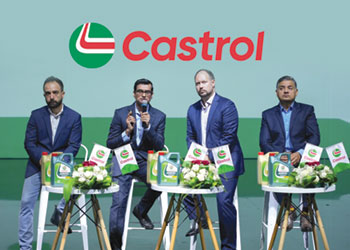
How ownership evolved: a brief history behind who owns Castrol oil company
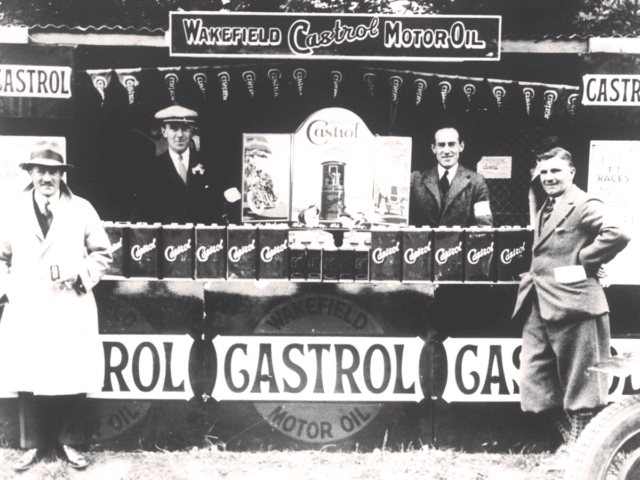
Castrol began in 1899 as CC Wakefield & Co. The name “Castrol” came from adding castor oil to base oils. The brand grew fast due to early ties with cars, planes, and racing. It became a go-to name in automotive lubricants.
In the 1960s, Burmah Oil acquired the company. It later became Burmah Castrol plc. Then BP acquired Burmah Castrol in 2000 in a major deal. Since then, BP has invested in R&D, blending plants, and global distribution. If you ask who owns Castrol oil company, that long path leads straight to BP.

How BP structures and manages Castrol
BP runs lubricants as a strategic business. Castrol sits at the center of that unit. The brand covers consumer car oils, motorcycle oils, transmission fluids, and heavy-duty products. It also covers industrial lubricants and e-fluids for EVs.
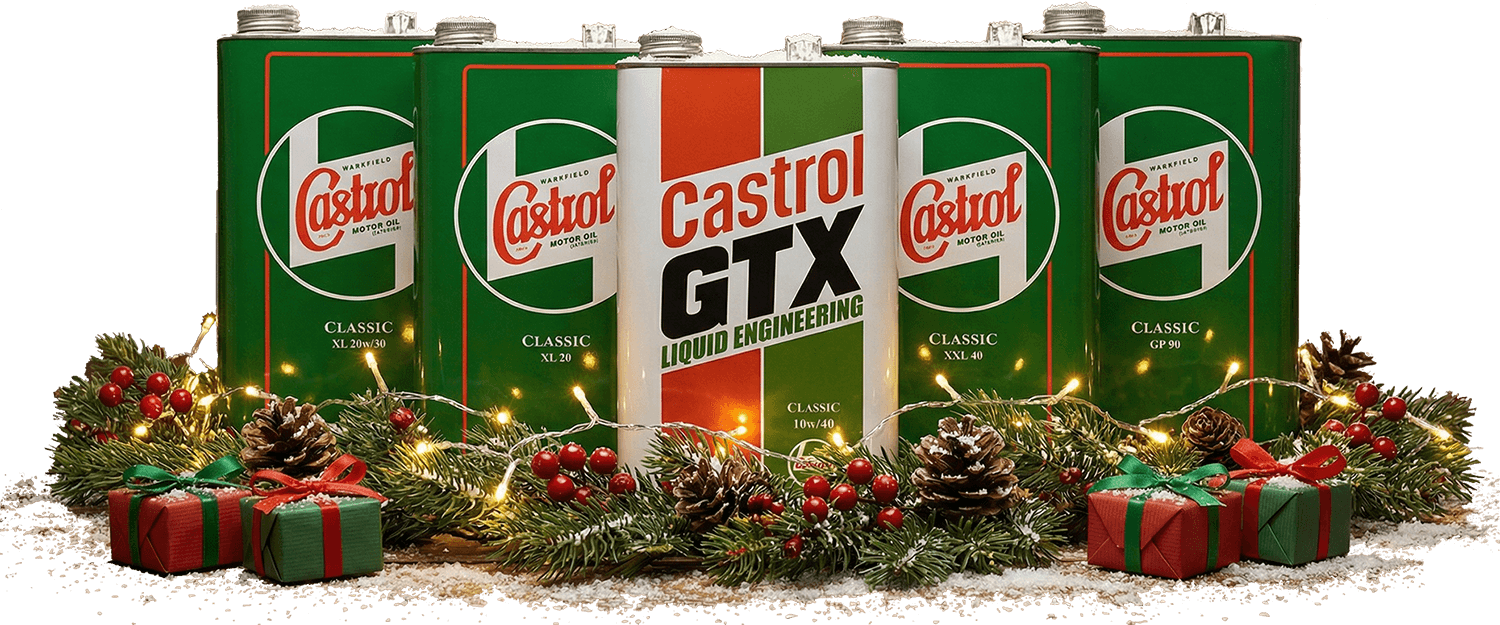
Core product lines include Castrol EDGE, GTX, MAGNATEC, POWER1, and Transmax. Castrol also develops e-fluids and thermal management for electric cars. Approvals often list major carmakers.
These include Volkswagen, BMW, Mercedes-Benz, Ford, Jaguar Land Rover, and more. That is one reason people who search who owns Castrol oil company connect it with strong OEM ties.
Why who owns Castrol oil company matters to drivers and businesses
Ownership affects product quality, support, and supply chain strength. A BP-backed brand has scale. That means stable blending, better logistics, and global standards. It also means access to long-term research and field testing.
For fleets and workshops, support matters. Large brands offer field engineers, oil analysis, and data sheets you can trust. I have seen this in practice. During a cold winter in the Midwest, we shifted a light-duty fleet to a BP-backed Castrol grade. Cold starts were smoother and fuel use dropped a bit. That switch was easy thanks to clear specs and strong local supply.
Common myths about who owns Castrol oil company
Some think Castrol is still independent. It is not. It is part of BP.
Others think a brand under a major loses its identity. Castrol keeps its own R&D and brand leadership under BP. That balance helps with innovation and compliance.
Some worry about quality shifts after big deals. Product approvals, API and ACEA specs, and OEM tests keep quality in check. Those third-party standards are strict.
How to verify brand ownership and product authenticity?
You can confirm ownership by checking official company pages and filings. Look for Castrol listed as part of BP. Trademarks and annual reports support the same view. This is the fastest way to get clarity if you wonder who owns Castrol oil company.
To avoid counterfeit products, use these steps:
- Buy from authorized retailers or direct distributors. Ask for proof if unsure.
- Check caps, seals, batch codes, and date markings. They should be clean and consistent.
- Scan QR codes if present. Verify on the brand’s site.
- Compare the label with photos on the official site.
If something looks off, do not use the oil. Contact customer support with the batch code and store details.
Market footprint and product lines under BP ownership
As part of BP, Castrol sells in over 100 countries. It serves cars, bikes, trucks, marine, and industry. It runs major R&D centers. Pangbourne in the UK is a key site for testing and innovation. The network includes blending plants and labs across regions.
Product range highlights include:
- Passenger car engine oils with API and ILSAC approvals
- Motorcycle oils tuned for wet clutches
- Heavy-duty diesel oils for on- and off-highway
- Transmission fluids, gear oils, and greases
- EV e-fluids and thermal fluids for batteries and drivetrains
This scale shows why the answer to who owns Castrol oil company matters. Ownership under BP drives reach and consistent product specs.
ESG, innovation, and the future of the brand
BP has public goals on lower-carbon energy and cleaner operations. Castrol supports these with lower-viscosity oils, fuel economy claims where supported, and extended-drain intervals when approved. The brand also invests in EV thermal management and e-mobility partnerships.
From my experience, the real test is uptime and wear control. We saw longer drain intervals on a mixed-duty fleet using a premium Castrol heavy-duty oil. Used oil analysis showed stable viscosity and low metals. That comes from ongoing lab work and field feedback. This is where who owns Castrol oil company aligns with real-world gains.
Frequently Asked Questions of who owns castrol oil company
Who owns Castrol oil company in 2025?
BP plc owns Castrol. The brand has been part of BP since the 2000 acquisition of Burmah Castrol.
Is Castrol a separate company or just a brand?
Castrol operates as a brand and legal entities within the BP group. It keeps its own product lines and R&D while using BP’s global scale.
Did BP change Castrol oil formulas after the acquisition?
Formulas evolve with standards and OEM needs. Any change must still meet strict API, ACEA, and manufacturer approvals.
Where is Castrol headquartered?
Castrol’s global base is in the United Kingdom. A major R&D hub is in Pangbourne, with global operations across many regions.
Is Castrol publicly traded on its own?
No. Castrol is not listed on a stock exchange as a separate company. It is a brand under BP plc.
Why do many ask who owns Castrol oil company?
People want to know who stands behind the brand. Ownership affects support, supply chain reliability, and long-term product development.
How can I confirm ownership without a doubt?
Check company filings and official brand pages. You will see Castrol listed as part of BP.
Conclusion
Castrol is owned by BP plc, a fact shaped by the 2000 acquisition of Burmah Castrol. That ownership gives the brand global reach, strong R&D, and tight quality control. It also means support for new needs like EV fluids and extended-drain oils.
Use this guide to answer who owns Castrol oil company with confidence. Apply the tips here to verify products, match OEM approvals, and pick the right oil for your engine. Want more practical breakdowns like this? Subscribe for updates or leave your questions in the comments.