

Liqui Moly is a German brand of motor oils, additives, and car care.
If you have ever wondered what is liqui moly and why so many drivers swear by it, you are in the right place. I have used its oils and additives for years across daily drivers and performance cars.
In this guide, I explain what is liqui moly in simple terms, how it works, and when it makes sense to use. You will get clear steps, real examples, and expert tips you can use today.
What Liqui Moly Actually Is
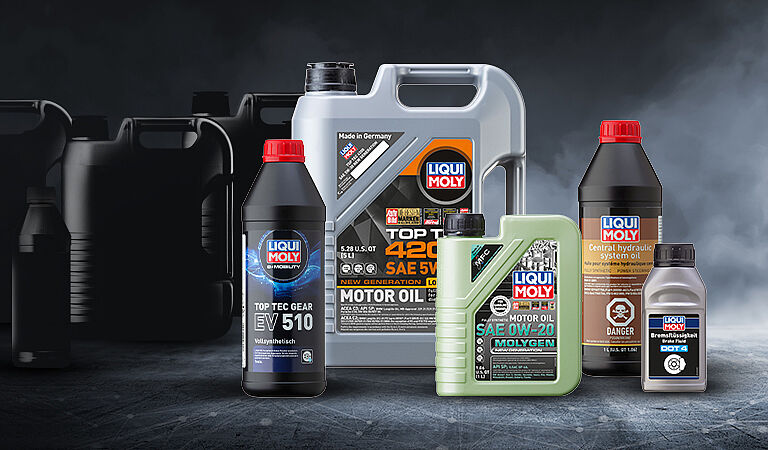
Liqui Moly is a German automotive chemicals company known for high-spec motor oils, fuel and oil additives, and car care products. It is built on precise engineering and strict quality control. The brand is often linked with molybdenum disulfide technology and OEM-grade oil approvals.
People ask what is liqui moly because the brand shows up in pro shops and racing paddocks. It is not just oil on a shelf.
It is a full system of fluids and treatments made to protect engines, reduce wear, and keep cars clean inside and out. When you ask what is liqui moly for your car, think of it as a toolkit to help your engine last longer and run smoother.
A Short History and Heritage
Liqui Moly started in 1957 in Ulm, Germany, with a focus on wear protection. Over time, the line grew to include oils, cleaners, sealants, and greases. In recent decades, the company expanded its global reach while keeping production in Germany.
Many drivers learn what is liqui moly through motorsport sponsorships and independent shop recommendations. The brand’s growth came from steady lab work, careful blending, and approvals that match strict European and U.S. standards.

Core Products and Technologies
Liqui Moly’s range covers most maintenance needs. Here are the key groups and what they do.
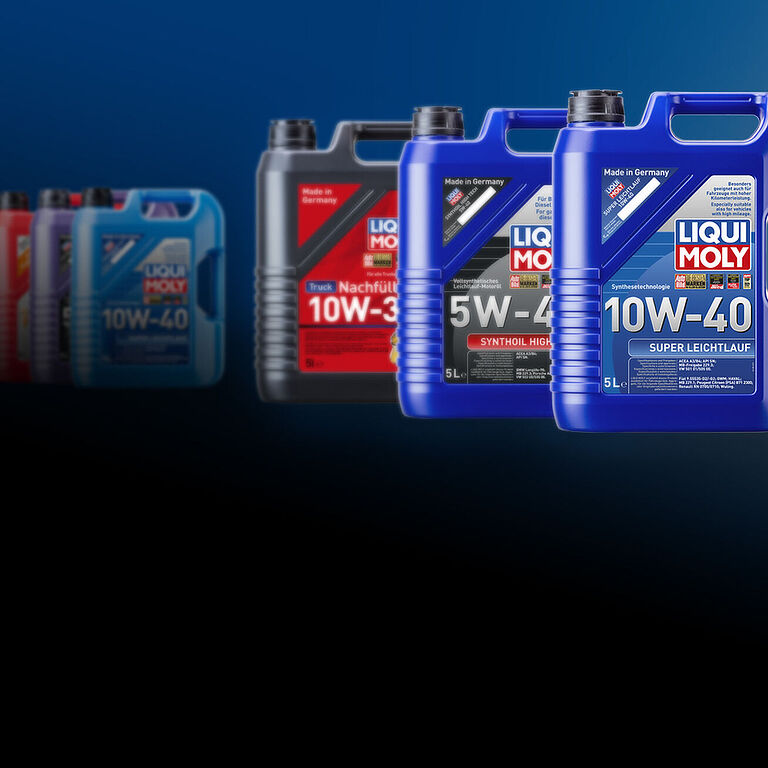
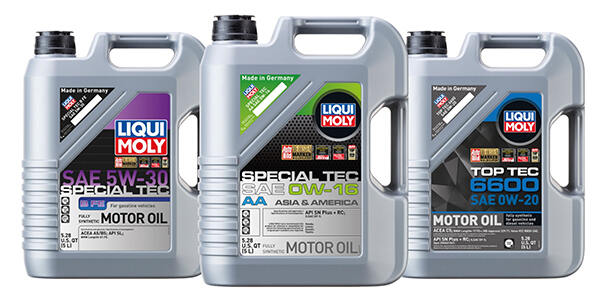
- Engine oils: Full synthetic, synthetic blend, and mineral oils that meet ACEA, API, and many OEM specs. These include approvals for European brands and modern turbo engines.
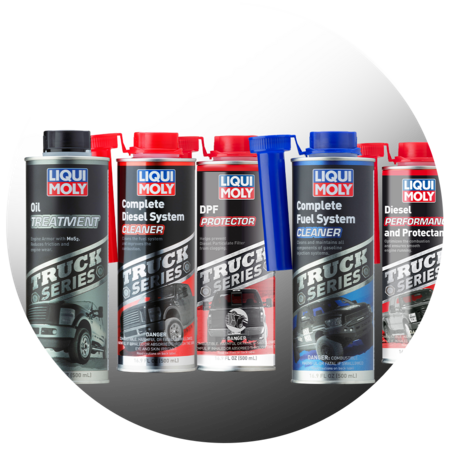
- Additives: Fuel system cleaners, oil treatments, friction modifiers, and anti-wear agents. Many use MoS2 or advanced detergents to reduce friction and deposits.
- Transmission and gear oils: Fluids for automatic, dual-clutch, CVT, and manual gearboxes with the right friction profiles.
- Coolant and brake fluids: Formulas that match modern corrosion and boiling point requirements.
- Car care and service products: Intake cleaners, flushes, greases, and pastes for workshop use.
When people ask what is liqui moly beyond oil, the answer is simple. It is a complete chemistry suite that supports every part of engine and drivetrain care.
Why Drivers Choose Liqui Moly
There are clear reasons the brand stands out. Each ties back to what is liqui moly at its core: consistent quality, tested results, and clean engines.
- Proven protection: Oils and additives are built to reduce wear and sludge and keep seals healthy.
- OEM alignment: Many blends match strict factory approvals, which supports warranty compliance when used as specified.
- Stable performance: Cleaners and detergents help keep injectors, rings, and turbo parts free of deposits.
- Long drain support: Certain oils handle longer intervals when the vehicle maker allows it.
- Cold start help: Friction modifiers reduce wear during the first seconds after start.
I often explain what is liqui moly to owners of turbo cars. They want less knock, smoother idle, and stable boost. Good oil and the right detergents go a long way here.
How To Choose the Right Liqui Moly Oil or Additive
Picking the right product is easy when you match specs and needs. If you still wonder what is liqui moly best fit for your car, use these steps.
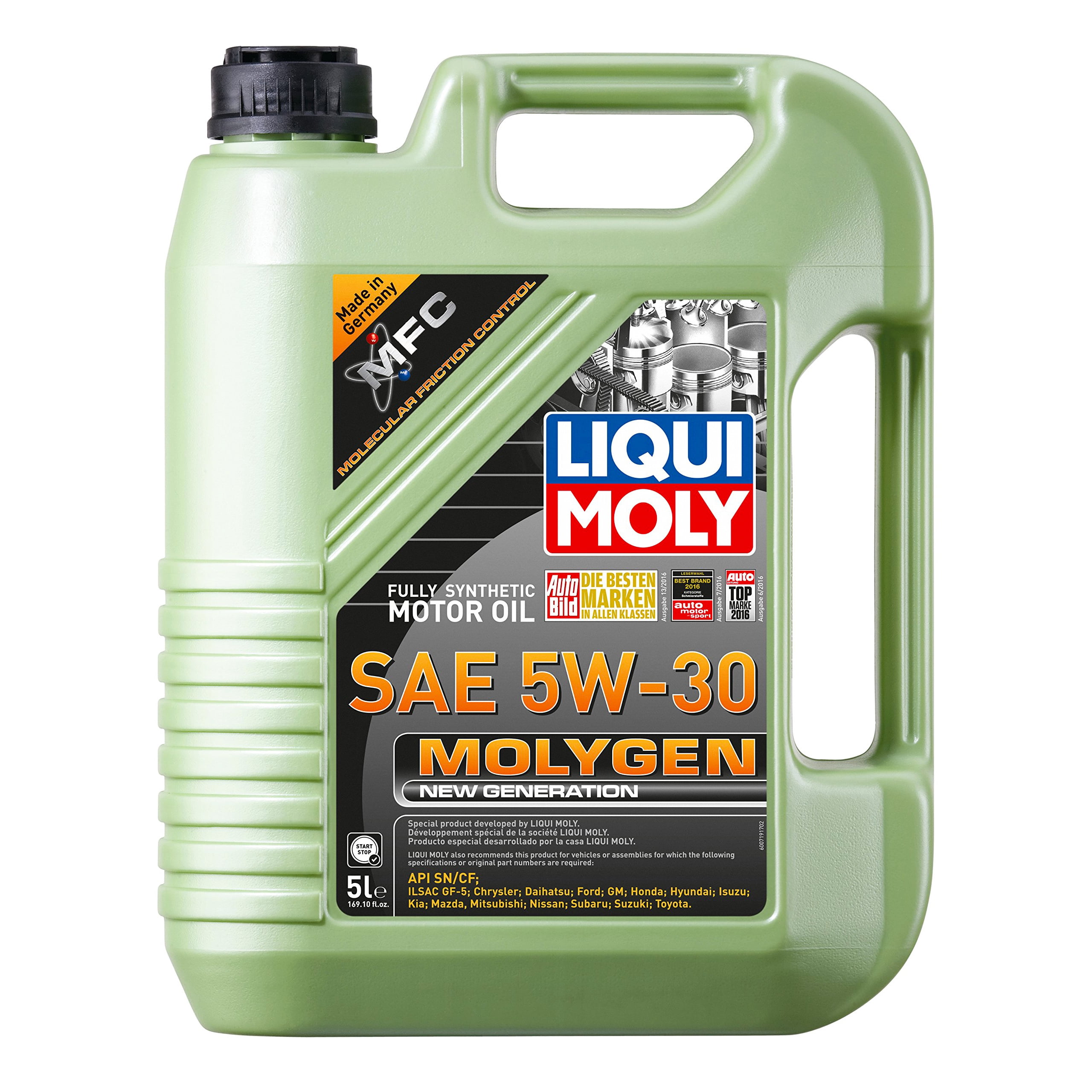
- Check your owner’s manual: Note the viscosity (like 0W-20 or 5W-30) and any OEM approvals.
- Match the spec first: Pick a Liqui Moly oil that meets your car’s exact approval list.
- Consider your driving: Short trips, towing, track days, or high mileage may change the choice.
- Use additives with a goal: Choose fuel cleaner for deposits, MoS2 for extra anti-wear, or a mild oil flush before an oil change if sludge is a concern.
- Keep it simple: Do not stack many additives at once. Solve one problem at a time.
If your question is what is liqui moly best option for a direct-injection engine with carbon worries, start with a high-quality oil and a periodic fuel system cleaner. That often brings the most gain per dollar.

Real-World Results: My Experience and Tips
I began testing Liqui Moly on a high-mileage hatchback with a noisy cold start. A switch to a proper-spec synthetic and a dose of MoS2 cut the start-up rattle within a week. Idle felt calmer, and fuel trims stayed stable. That told me the rings and lifters were cleaner.
On a turbo sedan, a fuel system cleaner reduced light ping under load after two tanks. The lesson was clear. If you want to know what is liqui moly good at, it is long-term cleanliness and small but steady gains. Do not expect magic in one drive. Use products on schedule, and track changes in noise, MPG, and oil color.
Practical tips:
- Warm the engine before an oil change for better drain.
- Use additives on a near-empty tank, then fill up for good mix.
- Log your results. Simple notes make the gains clear and honest.
Safety, Standards, and Environmental Notes
Many people ask what is liqui moly doing for safety and the environment. The brand designs products to meet strict EU and U.S. rules. Oils carry clear labels for viscosity and approvals. Safety data sheets exist for each item, and most formulas are made with low-ash, low-sulfur options where needed by modern emissions systems.
Used oil and fluids must be recycled at approved centers. Follow local laws. Keep all chemicals away from kids and pets. Wear gloves and eye protection during service work.
Buying Guide and Authenticity
If you are searching online for what is liqui moly and where to buy, use trusted sellers. Counterfeits exist in some markets. Look for clean labels, sealed caps, clear batch codes, and proper safety marks.
- Buy from known distributors or the brand’s listed partners.
- Compare the specs on the label with your manual.
- Be wary of prices that seem far below market.
If something looks off, do not use it. Contact the seller and the brand support team.
Myths and Facts About Liqui Moly
There are many claims around additives. Here is what you should know to frame what is liqui moly in a fair way.
- Myth: Additives fix all engine problems. Fact: They can clean and protect, but they do not repair worn parts.
- Myth: Thicker oil is always better. Fact: Use the viscosity your maker recommends for proper flow and protection.
- Myth: You can stack many additives. Fact: Start with one goal and one product to avoid overlap.
If you still wonder what is liqui moly best move for a rough idle, begin with the basics: correct oil, fresh filter, and one fuel cleaner cycle.
Frequently Asked Questions of what is liqui moly
What does Liqui Moly make?
Liqui Moly makes motor oils, additives, fluids, and car care products. It covers engine, fuel, transmission, and brake systems.
Is Liqui Moly good for high-mileage cars?
Yes. The brand offers oils and additives that help with wear, deposits, and small leaks. Always match the oil to the car’s spec.
Can Liqui Moly additives harm my engine?
When used as directed, they are safe for modern engines. Do not exceed the recommended dose or mix many products at once.
How often should I use a fuel system cleaner?
Use it every 3,000 to 5,000 miles or as you notice driveability changes. Heavy city driving may need more frequent use.
Will Liqui Moly void my warranty?
Using oils that meet your car’s approvals does not void a warranty. Keep receipts and service records to be safe.
What is the best Liqui Moly oil for winter?
Pick the viscosity your maker lists for cold weather, such as 0W-20 or 0W-30. Check for the right approvals first.
Does Liqui Moly improve fuel economy?
Clean fuel systems and lower friction can help. Gains are small and depend on the car’s condition and driving style.
Conclusion
Now you know what is liqui moly and how it fits into a smart maintenance plan. It is a German-made line of oils and additives built to protect engines, reduce wear, and keep parts clean.
Match the right product to your car’s needs, use it on schedule, and track results. Small steps add up to a smoother, longer-lasting engine.
If this guide helped, explore more how-to articles, subscribe for updates, or leave a question so I can help you pick the right setup for your car.